

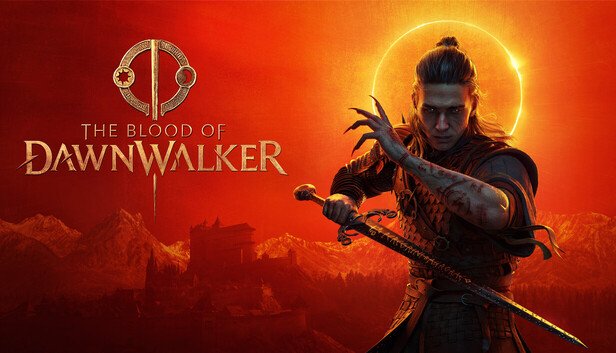
In an era where player choice often amounts to little more than cosmetic dialogue options, The Blood of Dawnwalker stands as a refreshing reminder of what narrative-driven RPGs can achieve when decisions carry real weight. After spending considerable time with the game, it’s clear that developer Rebel Wolves—founded by former CD Projekt Red veterans—has crafted something genuinely compelling, even if it stumbles in a few key areas.
A Story That Responds to You
The headline here is simple: your choices matter. Throughout my playthrough, I watched decisions ripple through the narrative in ways both large and small, fundamentally altering events and outcomes. Going in without prior experience with The Witcher 3 (the pedigree most associate with this development team), I wasn’t sure what to expect. What I found was a game that genuinely rewards player agency—arguably its greatest strength and the primary reason I found myself unable to put it down.
The branching narrative structure means that no two playthroughs will look identical, and the game never tips its hand about which decisions will prove pivotal. It’s a system that encourages investment in every conversation, every moral dilemma.
Characters Worth Caring About
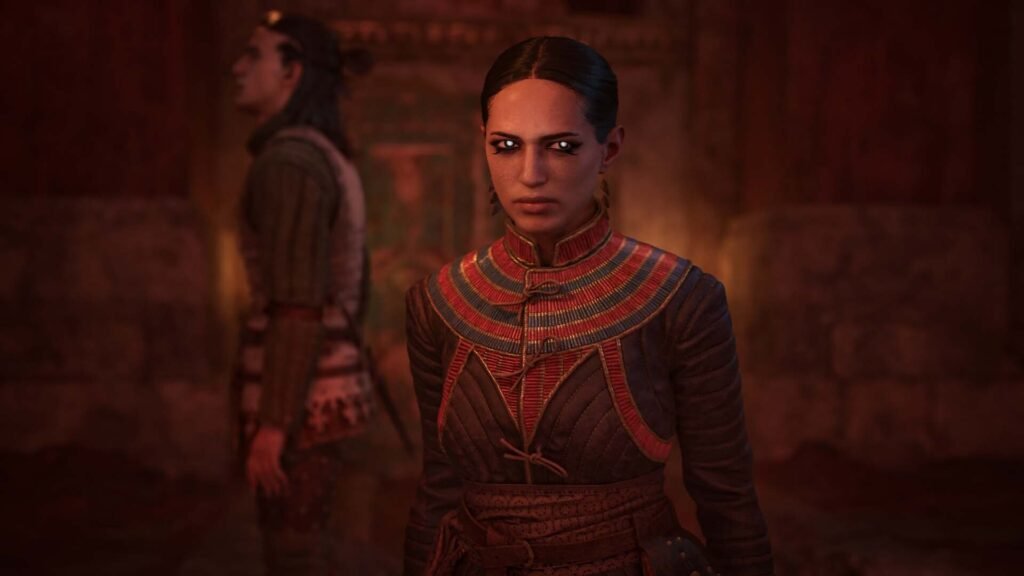
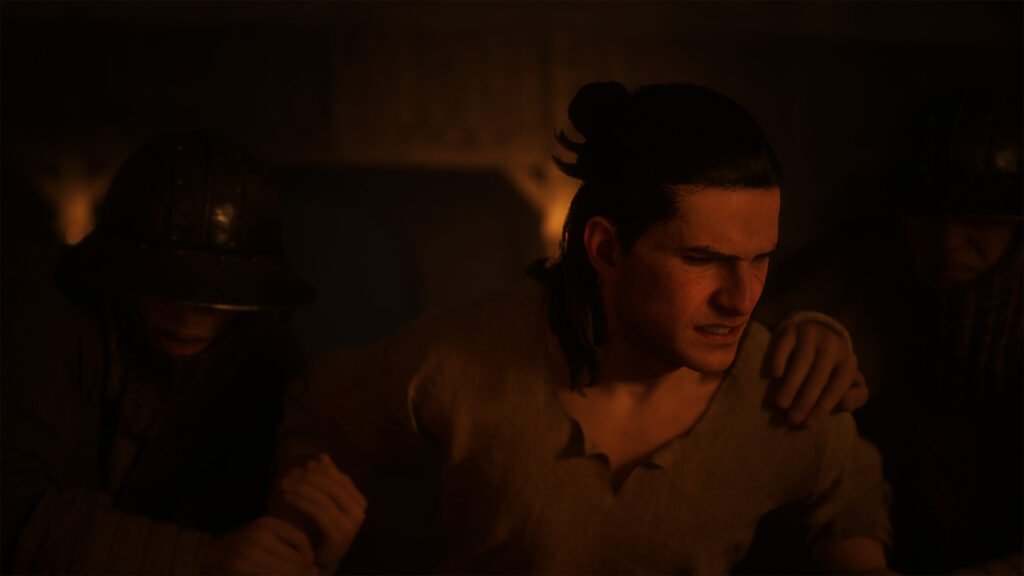
Among a solid cast, Lecra emerges as the standout. Her relationship with Coen forms the emotional core of the experience, and there’s a fascinating dynamic at play—Lecra’s affection for Coen feels notably stronger, adding layers of complexity to their interactions that kept me engaged throughout. Anca serves her role adequately, but never quite reaches the same heights. The character writing overall demonstrates a maturity and subtlety that elevates the material beyond typical fantasy fare.
Combat Leaves Something to Be Desired
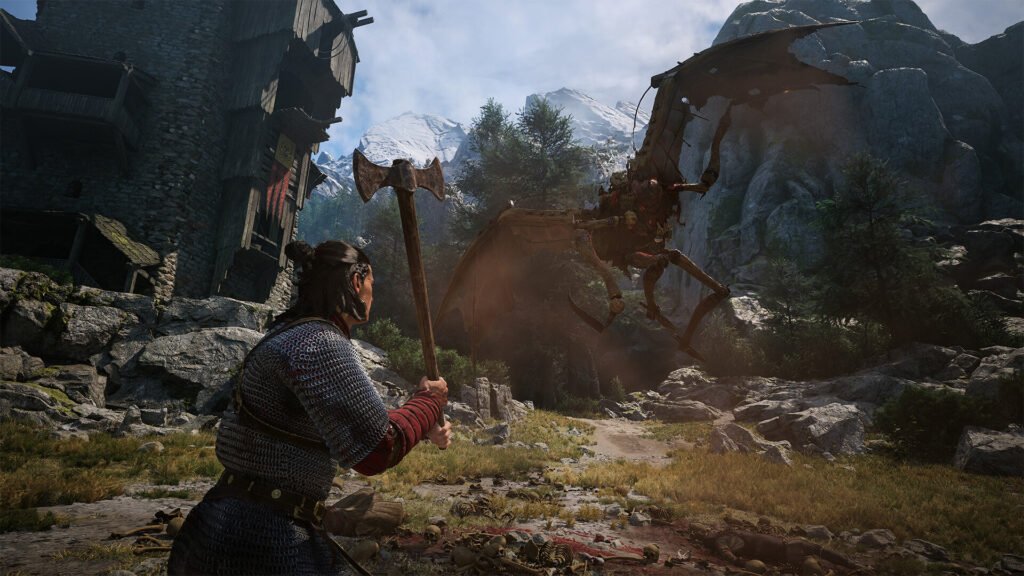
Where The Blood of Dawnwalker falters is in its combat system. Compared to contemporary action RPGs, the moment-to-moment fighting feels somewhat dated—lacking the polish and responsiveness that modern players have come to expect. It’s functional, but rarely satisfying in the way the best genre entries manage. This isn’t a dealbreaker, but it’s the area most in need of refinement should a sequel materialize.
Exploration Done Right
The open world, conversely, proves genuinely enjoyable. The skill tree offers meaningful progression, and abilities designed to enhance traversal make a tangible difference. It might sound trivial to praise something like Haste—a movement speed boost for exploration—but these quality-of-life features demonstrate that the developers understand what makes open-world navigation feel good rather than tedious. Getting around the world never became a chore, which is more than many competitors can claim.
Visuals, Performance, and Technical Issues
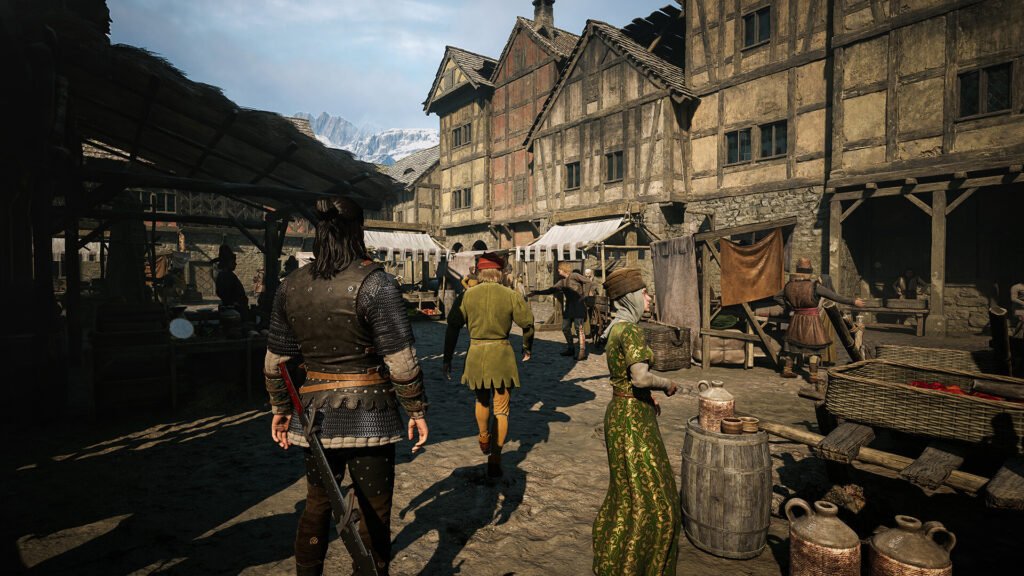
The environmental design and atmosphere represent another strong point. The world looks genuinely impressive, with art direction that creates a cohesive and immersive setting. On my Radeon RX 9060 XT, performance held steady with smooth frame rates throughout. DLSS support would be a welcome addition for those with compatible hardware, though AMD users will find the experience perfectly acceptable as-is.
However, I did encounter buggy missions that disrupted the experience. These technical hiccups—while not game-breaking—detract from an otherwise polished package and will hopefully be addressed in future patches.
Music and Voice Acting
The audio presentation is solid across the board. The soundtrack fits the atmosphere well, and voice performances are consistently strong, adding credibility to the characters and world.
The One Thing Missing
My most significant complaint centers on post-game content—or rather, the lack thereof. If you complete the main story while side quests remain unfinished, there’s no option to continue exploring and wrapping up loose ends. For a game that emphasizes player choice and comprehensive exploration, this feels like an oversight. An open-ended post-game state would have been a natural fit and allowed players to fully experience everything the world has to offer without the pressure of main quest progression.
The Verdict
Despite its flaws, The Blood of Dawnwalker delivers where it matters most: story, characters, and meaningful player agency. The narrative kept me invested from start to finish, and seeing my decisions manifest in the world was consistently rewarding. The combat may be underwhelming, and the lack of post-game exploration is disappointing, but neither issue overshadows the game’s considerable achievements.
Perhaps most exciting is the sense that this is a foundation being built for something greater. The game’s conclusion feels like a setup for a sequel, and if the developers can address the combat concerns while expanding on what already works, a follow-up could be something truly special.
Recommended for: Fans of story-driven action RPGs where player choice shapes the narrative, players who prioritize compelling characters and world-building over cutting-edge combat mechanics.
Score: 8/10