


“The 99”, “simic, tribal”, “stack priority”, “non-activated ability trigger”, “turn one sol ring” – much like any other nerdy hobby, Magic: The Gathering debuted its first set 32 years ago, and with it comes nerd-speak that only those ingrained in the TCG’s culture can understand.
Throughout its three decades of existence, there’s multiple reasons why the hobby has been inaccessible to newcomers. Some are technical – the amount of different formats and cards in the products’ history – while some are cultural. Products are typically only found in niche TCG stores, the subject matter of your typical set can feel too dense for someone just dipping a toe in, and by and large, it’s been a very male-dominated space (shoutout to @dungeonmotherkir for spearheading more women-led Magic events here in Kuala Lumpur).
I’ve been playing Magic since Coldsnap in 2006, and let me tell you why today is the best time for newcomers or lapsed players to get back into the hobby. And it all starts with…
The Magic of Pre-Release
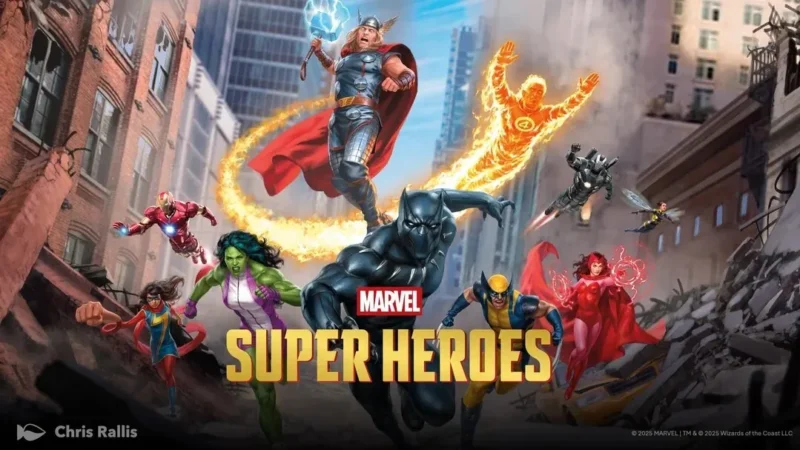
This month, Magic: The Gathering released its second collaboration with Marvel with the Magic: The Gathering | Marvel Super Heroes set. I attended a pre-release session hosted by Quantum Nexus KL, THE MAGIC RAIN and other partners at the Cafeteria by LaLaport BBCC, a space which turned into a Magic hub for two days.
It’s events like this that make Magic feel very much alive and well: set-specific banners up, glass protected cases full of single cards for sale, rows of tables for play sessions, and products for sale across the latest sets.

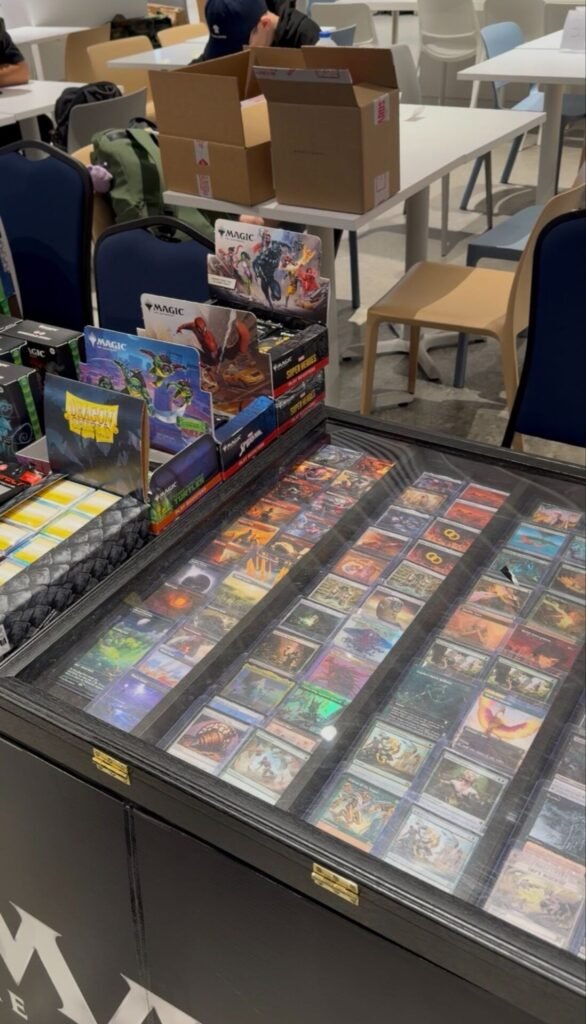
Pre-release is a format where each player participates in a “tournament” only using a deck made from cards they pull from their pre-release kits. These kits consist of 6 play booster packs, 1 promo card, and a set-specific D20. Although players compete for placement, the texture of a pre-release session is much different than a tournament, especially when compared to other formats and events.
This is often the first time players are seeing the majority of cards in the set (unless you’re that one guy that looks up every card on Scryfall the week before, only to end up in last place), which puts every player on even ground. You’ll often see players run hypothetical simulations with their cards to understand the mechanics specific to the new set, or more experienced players giving newcomers tips on the decks they’re trying to build.
Games Within Games
Outside of the card game itself, event stores often take pre-release events a step further by having side events that engage players even further.
During this session, Quantum Nexus Kuala Lumpur handed out stamp rally cards to each participant, which included criteria like attending a pre-release event, buying a booster pack, and attending a commander session. The prizes for completing the stamp rally included promo cards, dice bags, and more.
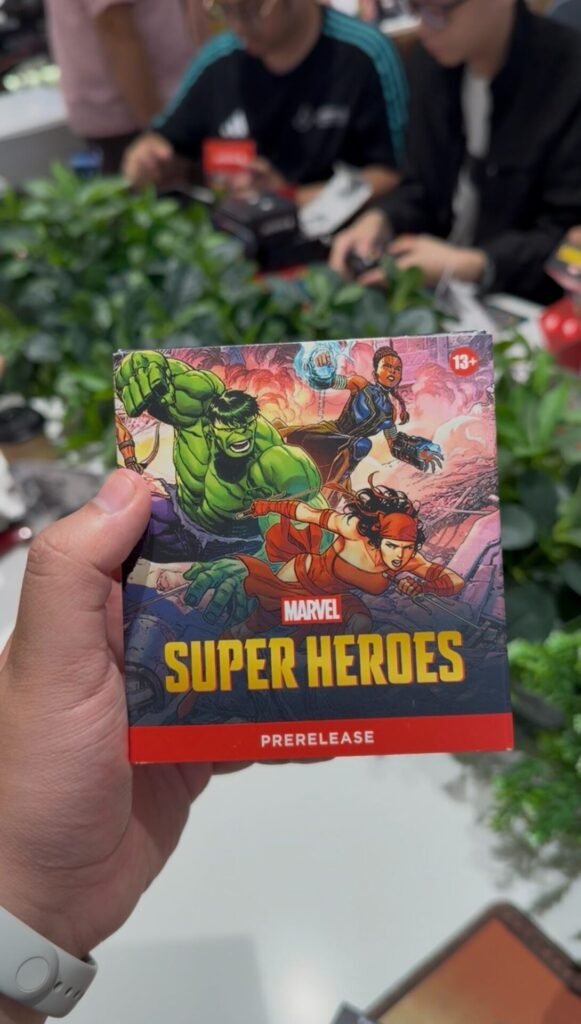
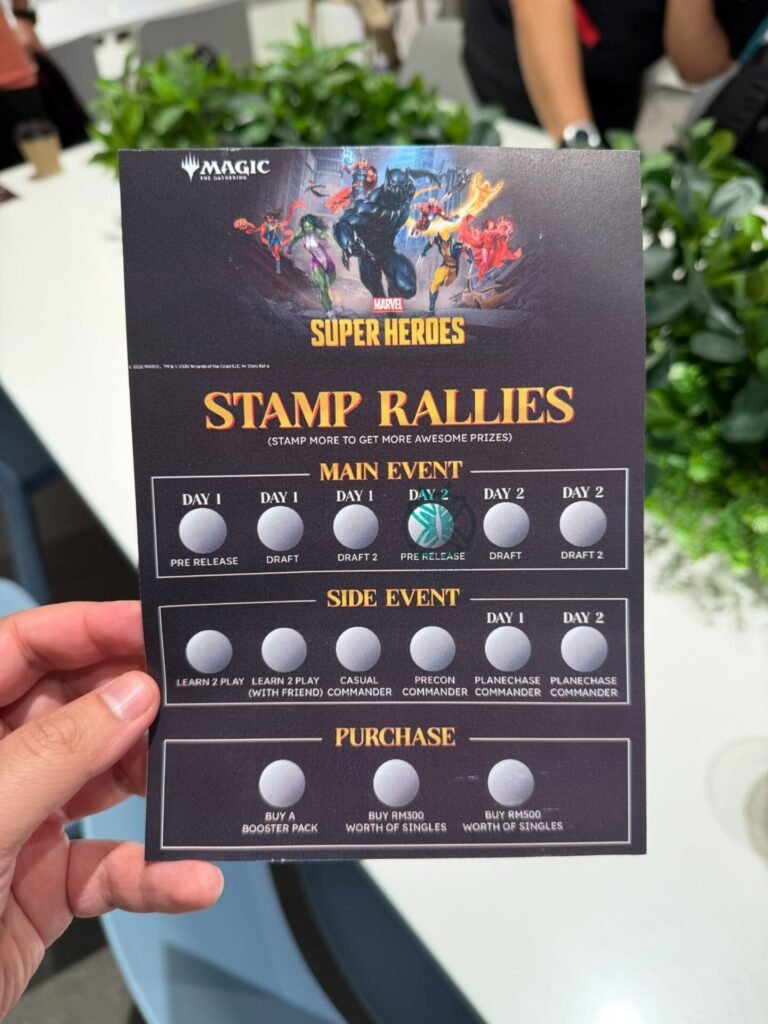
Local card stores and the Magic community at large acknowledge that pre-release events are more than a small tournament – they are the closest thing to a recurring celebration players have for the hobby. So why not have other things throughout the weekend happen for old and new players?
On Universes Beyond
And now, to address the elephant in the room: are Universes Beyond sets good for the hobby?
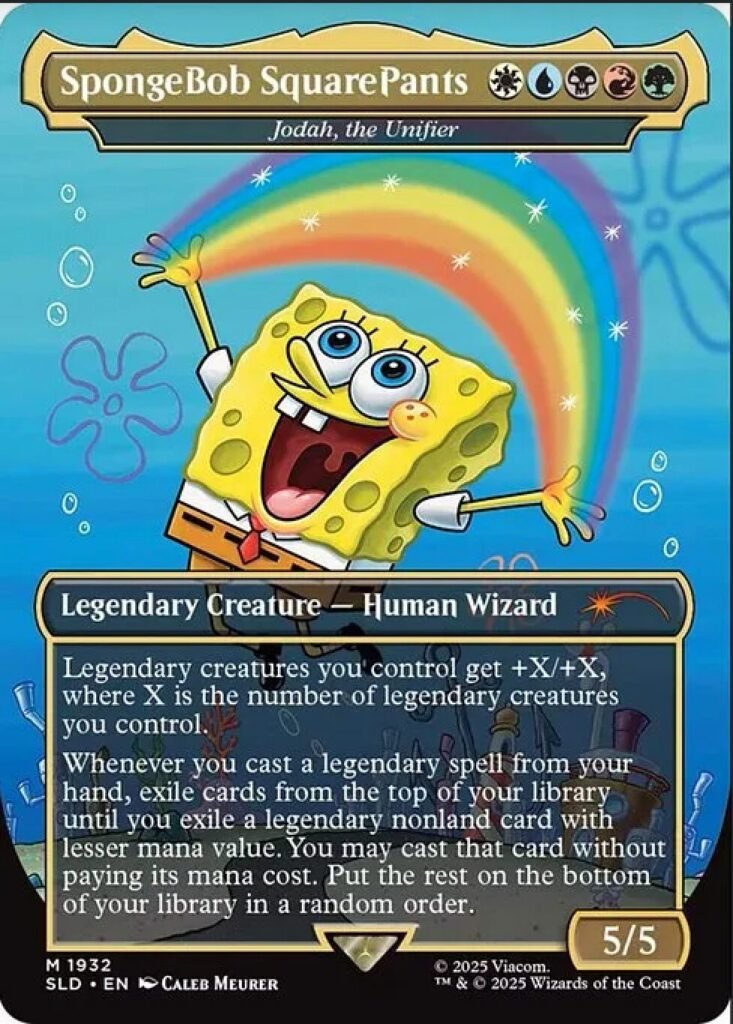
This Marvel collaboration with Magic is one of many collaborations that Magic has dubbed “Universes Beyond”. These are dedicated sets focused around an IP outside of those that originate from the Magic team. In the past few years alone, Universes Beyond sets have included Final Fantasy, Teenage Mutant Ninja Turtles, Assassin’s Creed, Lord of the Rings, and the haters’ favourite, SpongeBob SquarePants.
Here’s the take: in its current state, Universes Beyond is great for the hobby. These sets are a great gateway for new players to get into the concepts, mechanics, and both the highs and lows of Magic. Although there have been some larger, more questionable decisions from Wizards of the Coast and Hasbro in recent years, the Universes Beyond concept has re-energized the hobby and shifted how the community sees it.
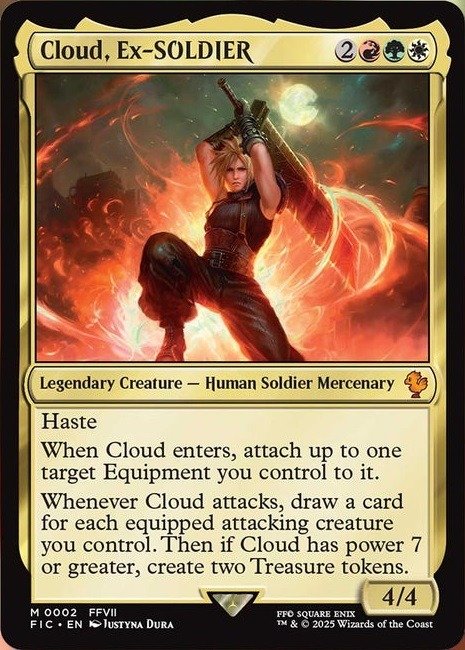
A Marvel crossover set makes the door even easier to walk through. New players have a reason to care before they’ve learned a single rule. You don’t need to know what a mana curve is to get excited about opening a pack and finding Iron Man, Ultron, or Thor’s hammer staring back at you. And once you’re in, the set rewards that curiosity, such as when team-up moments you’d recognize from the movies and comics show up as actual in-game synergies.
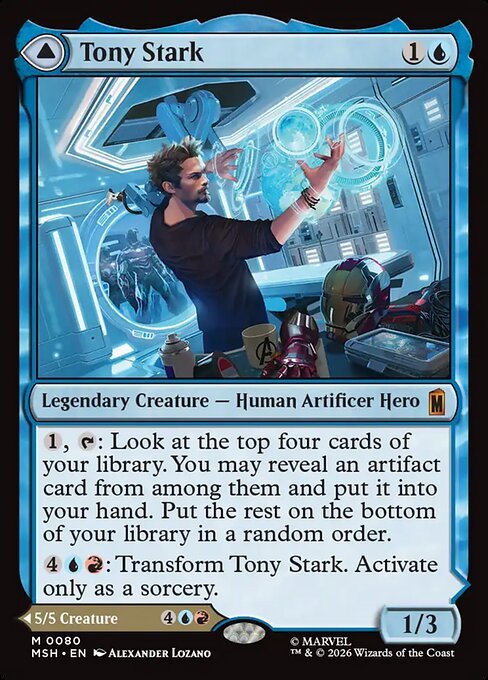
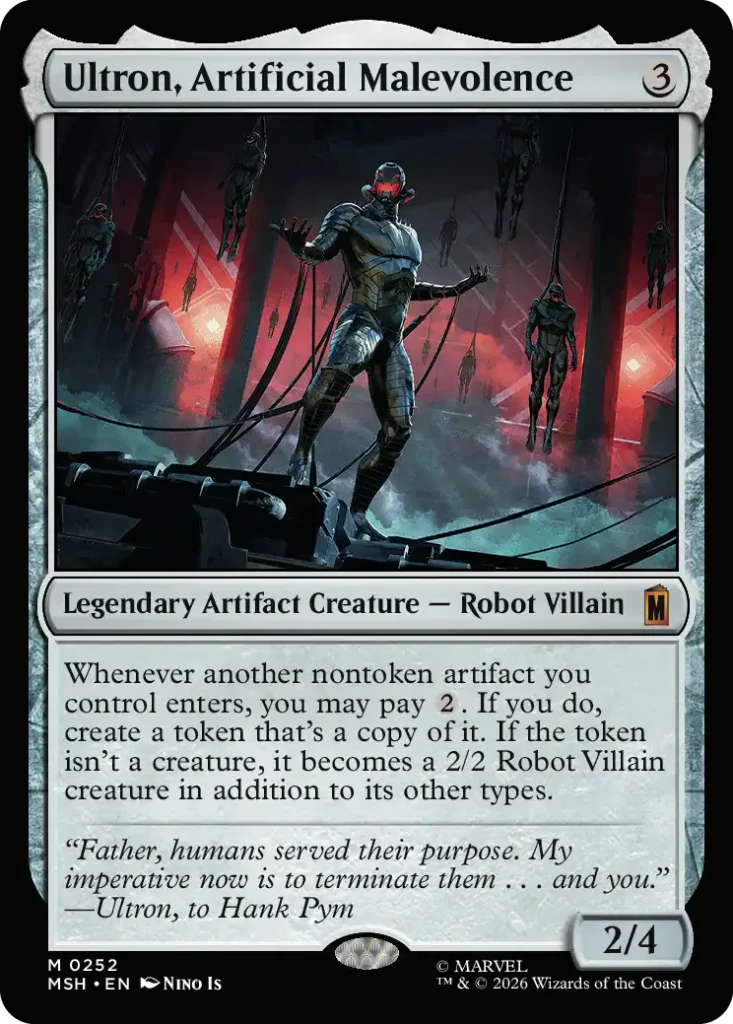
In my case, I built an artifact-heavy deck, with Tony Stark searching for artifacts every turn, and having Ultron, Artificial Malevolence copy the card & making them into 2/2 Robot Villain Creatures. I also got whacky with it by having the option to equip my creatures with Mjolnir, Hammer of Thor – an Artifact Equipment – allowing my creatures to do double damage.
This set also features comic-panel card treatments. I lost my second game in my pre-release to a go-wide +1/+1 deck with this Black Panther: Hope Enduring sealing the win. I wasn’t even mad – it was beautiful seeing the combos pulled off by my opponent, which gets me to the crux of this set and Magic at large.
The Part That Actually Matters
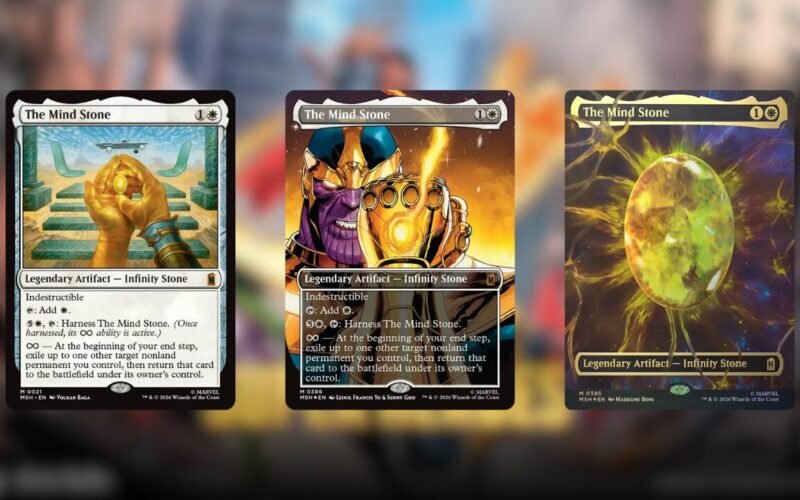
Here’s what stuck with me more than any single match: how many first-time players were in that room, and how the “tournament” framing barely mattered next to it. As mentioned, people were helping each other read cards and comparing each other’s pulls across tables instead of guarding decklists. And when someone got something absurd – like the Mythic Mind Stone at our table – there were claps & cheers across the board.
And that’s Magic culture playing out in real time.
The real argument for getting into Magic right now isn’t just that this is a good set, or that pre-release is an easy format to start with, but Magic has been slowly fostering a community that’s actively pulling more people in with more diverse backgrounds and experiences. Collaboration sets like this is merely the catalyst setting off a chain reaction of true connection and shared experiences – all through the guise of Magic: The Gathering.
Arief Johan is an advocate for independent game development from Southeast Asia & the Co-founder of the Southeast Asian Games Showcase & 20m Podcast. Check out his article on the most expensive Marvel Magic: The Gathering cards here.