



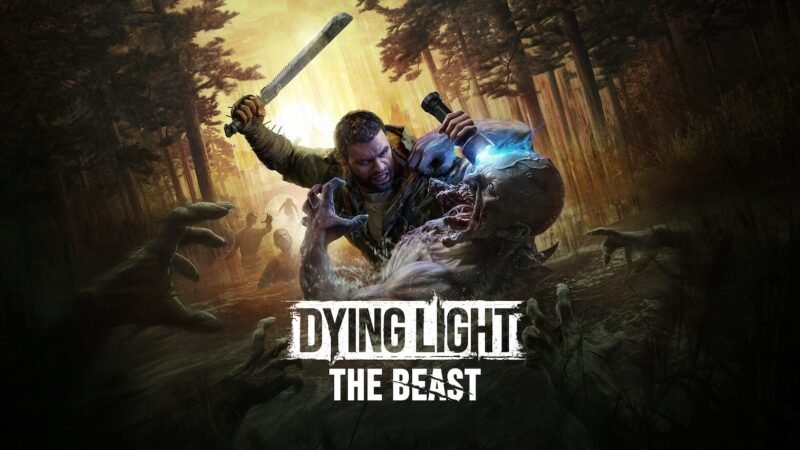
A terrifying new chapter in the Dying Light universe begins. As Kyle Crane, explore the vast and unpredictable wilderness, uncover a deadly evolution of the infected, and learn to control the beastly powers awakening inside you.
Developed by: Techland
Played on: Steam
Length: 19 hours (47 hours for completionists)
A review key was provided by Level Infinite.
Disclaimer: This is a full review of Dying Light: The Beast, with some minor game moment spoilers. Spoilers will not touch key characters and key story beats.
Dying Light: The Beast is the 3rd instalment of the Dying Light series, developed by Techland. Originally developed as a DLC for Dying Light 2: Stay Human, the direction of the content shifted to become a full fledged game by itself. You play as Crane, the protagonist from the first Dying Light.
And you might be thinking: “Didn’t Crane turn into a volatile in the ending?” You would be correct, but it turns out that due to his unique DNA, he is still able to retain his humanity in some form after his capture and experimentation by the Baron, who is the main antagonist of Dying Light: The Beast.
The game has done many great things for the players to enjoy but certain parts do falter that might hinder their fun. Granted, the issues that I faced were in the early game and very scenario specific. But let’s start by talking about what makes it great.
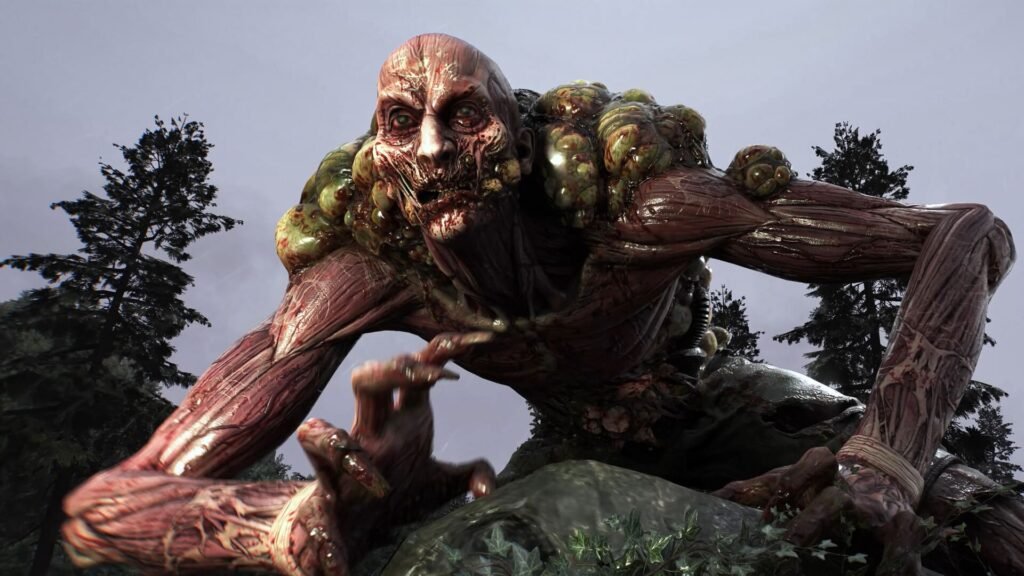
After going through the tutorials and when I am left to explore the forested alps of Europe , I found myself doing one main thing, which is fighting the zombies roaming around. It wasn’t the combat system that got me hooked, since I was still quite low-levelled, but it was the sound effects.
The bones crunching and soft meat of their body squelching with every swing, slash, or punch just tickled the right parts in my ears and brain. The dismemberment system feels like a massive upgrade (granted, it has been a while since I played DL2) with each hit to the head, the bashed skulls open and swinging out tiny brain bits.
Cutting off their hands to see them swing their whole body to attack instead of clawing you, or chopping their legs off to see them crawl towards you slowly is nothing new with games like this, but the mixture of that plus the sound effects and its upgraded graphics just makes it genuinely fun past time in between missions and during exploration.
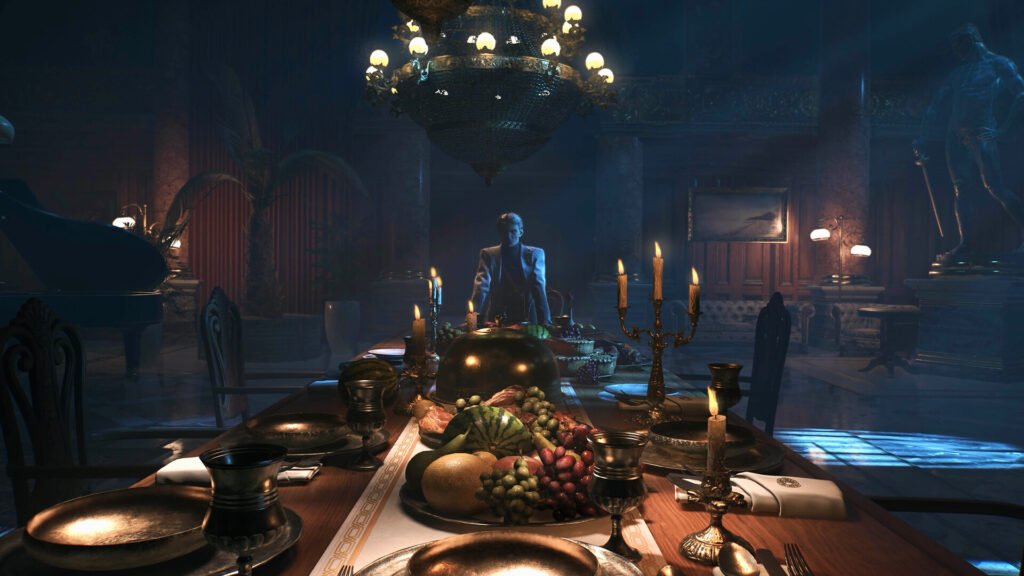
Speaking of missions, the game doesn’t offer too much depth in terms of its character building and story beats. The overall story is predictable, the characters are somewhat shallow but interesting enough to listen to, but Crane feels more “alive” than ever. The story is very much a Crane revenge plot, since he was experimented on by the main antagonist, and you get to watch a somewhat calm version of Crane (although he wasn’t the nicest person in DL1) turn into a pissed off mad beast.
With every side quest and even the main quest, his response is basically “and I guess I gotta do it, huh?” in a grumpy old man kind of way. It feels somewhat refreshing to see what I can only describe as the ‘opposite path of new-gen Kratos’. Sometimes it’s even funny to see Crane basically grumble about how he has to do everything, as if he is aware of how “main character” he is.
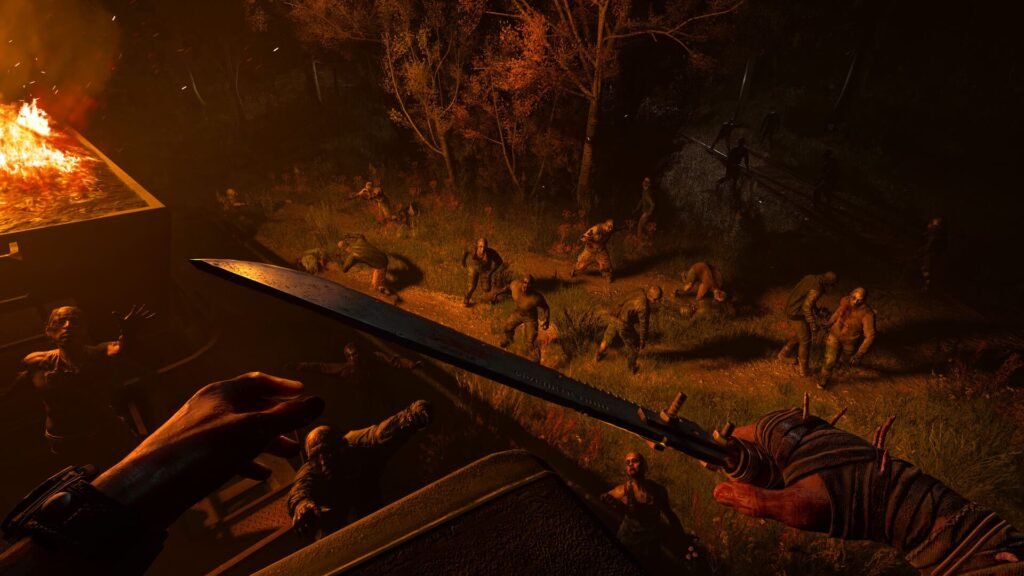
Zombie survival games aren’t new to the developers as they have developed the Dead Island series previously, but what makes Dying Light different is the element of parkour. This mobility uniqueness was further amplified by David Belle, known as the modern founder of parkour, who acted as a consultant and mo-cap artist for the parkour elements of Dying Light and Dying Light 2.
While he is not around for Dying Light: The Beast, you can tell that the team took all that they could learn from the past two games and recreated the charming parkour system we loved. The parkour is still pretty solid in the game, but it does feel like it was more of an afterthought than something that the devs had in mind when creating the levels of the game.
A significant chunk of the map was flat with only several buildings to climb, the forest areas were large with not much elevation to play with (which unfortunately is where you spend two thirds of your time throughout the mid game), and the unique story-related buildings felt heavily focused on action or stealth then actual parkour.
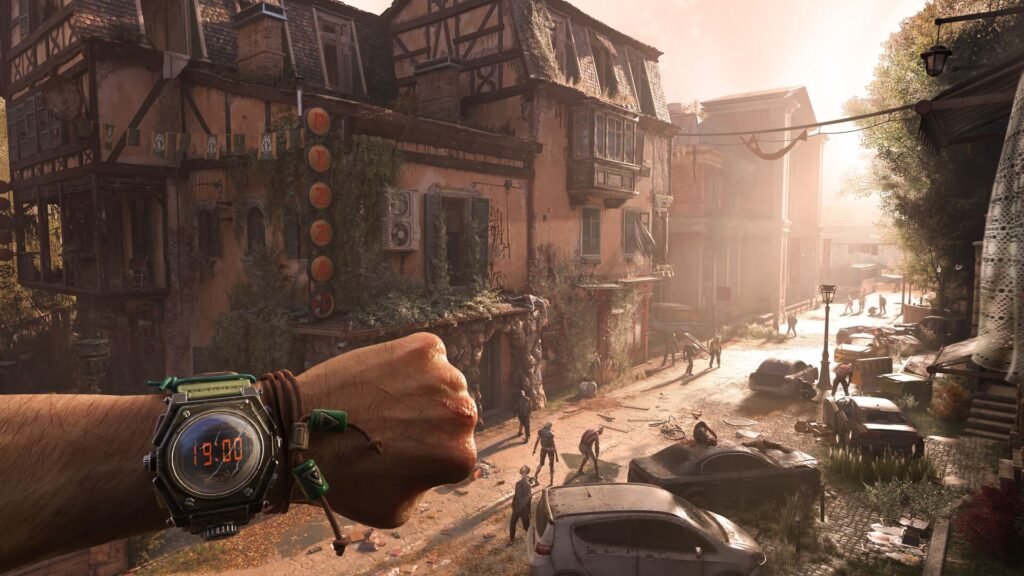
Dying Light: The Beast is a good game if you’re looking to pass time crushing some skulls and dropkicking zombies into traps. As a zombie fighting game, it does its job well to entertain and make me feel engaged with the fights. The story is engaging enough for any Dying Light fan since it follows everyone’s lovable Crane, and shows a new side of him; both literal and figuratively, if you get what I mean.
Still, I do wish that it focused a bit more on the parkour element, the free flow movement with dense tall buildings to traverse through or around them, which is what made the Dying Light series unique compared to its competitors. Even so, Dying Light: The Beast is not a bad time.