






Resident Evil Requiem marks a chilling return to the series’ survival horror roots. Set once again in the haunting ruins of Raccoon City, Capcom’s latest instalment reimagines fear through a new lens, starring a new protagonist, Grace Ashcroft, who has to confront both the city’s horrors and her own.
We had the honor of speaking with Resident Evil Requiem’s producer Masato Kumazawa and director Koshi Nakanishi to learn more about the creative vision behind the game.
Disclaimer: These sentences have been paraphrased for ease of reading.
1. In terms of gameplay and storytelling, what would you say the theme of Resident Evil Requiem is, and what inspired this particular story?
With Resident Evil Requiem, we’re returning to Raccoon City, shifting focus back to the original outbreak that started it all. The inspiration didn’t come from any movie or outside source, it’s entirely rooted in the series’ own legacy.
2. What are the factors that led you to make the game more survival-horror themed, compared to all the other previous Resident Evil titles?
I’m glad you felt this game has a stronger survival vibe. While Resident Evil has always been about survival, past titles like Resident Evil 7 and Village leaned more toward action and gunplay.
3. Could you talk us through how you are able to balance addictive fear, which wants you to try and overcome the challenges put before you, versus an overwhelming fear, that can be more impactful but can stop and paralyze players?
Overcoming fear is what makes a game addictive. The greater the fear, the greater the satisfaction that follows. That is the sense of accomplishment that we want players to have. It’s not about choosing one over the other; both addictive fear and overwhelming fear need to exist in balance.
4. How did you balance the game’s cinematic direction with survival horror game design?
In survival horror games, players maintaining emotional control is essential. Whether it’s excitement, anxiety, or fear, players must manage these emotions as they progress through the game.
Throughout the series, players have always experienced fear, but Requiem takes it a step further by emphasizing the journey of both the player and the character as they confront and overcome emotional fear and turmoil. This balance between fear and emotional growth is what truly defines and should be highlighted in the Requiem series.
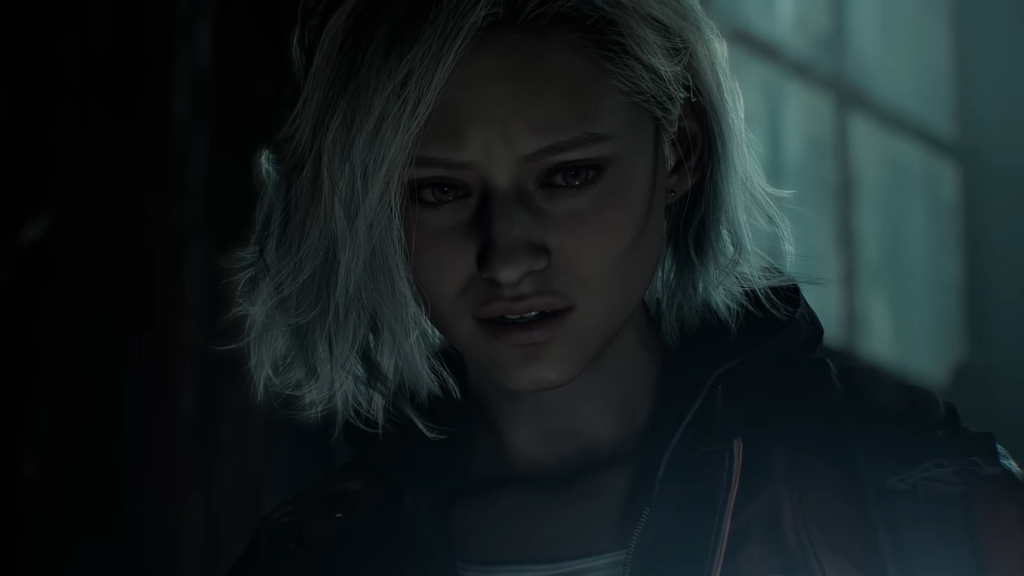
5. Grace is a very different kind of Resident Evil protagonist. What inspired the shift towards creating a character like her?
In previous Resident Evil titles, protagonists were often portrayed as confident and capable characters. With Requiem, we wanted to return the spotlight to pure horror and to make players truly feel fear. That’s why we created Grace, a character who begins her journey terrified and gradually learns to face her fears. Through her growth, players experience that same evolution, growing stronger alongside her amid the terror.
6. Consistently offering a new main character for the series offers some challenges. How do you make sure players care and feel a sense for Grace as soon as possible?
I think Grace’s charm lies in the fact that she starts off genuinely scared. Over time, she gradually learns to face her fears, and what makes it special is that this isn’t just a concept, you actually see it unfold as you play. For example, unlike past protagonists who instinctively know how to heal themselves, Grace doesn’t even know that an herb can help her in the beginning. Those small, human moments make her feel more real and help players connect with her on a deeper level.
Furthermore, Grace is a journalist whose mother was killed in the Raccoon City incident, linking her to the larger Resident Evil universe. Throughout her journey, she searches for the truth behind what happened. Though she starts off frightened, she’s also intelligent and courageous, and watching her grow through the game is one of her greatest appeals.
7. In the past few entries, the theme of the family is key to the story of the games. TThis time around, we have that in Grace and Alyssa as well. What’s the inspiration behind that theme?
Requiem at its core is still a horror game, not a family-oriented one. We’re not trying to emphasize family values or anything of that sort. However, when you’re facing such intense fear, there needs to be a strong motivation to push you through it. And family is the most natural and fundamental reason someone would risk their life for. It’s simple, but powerful.
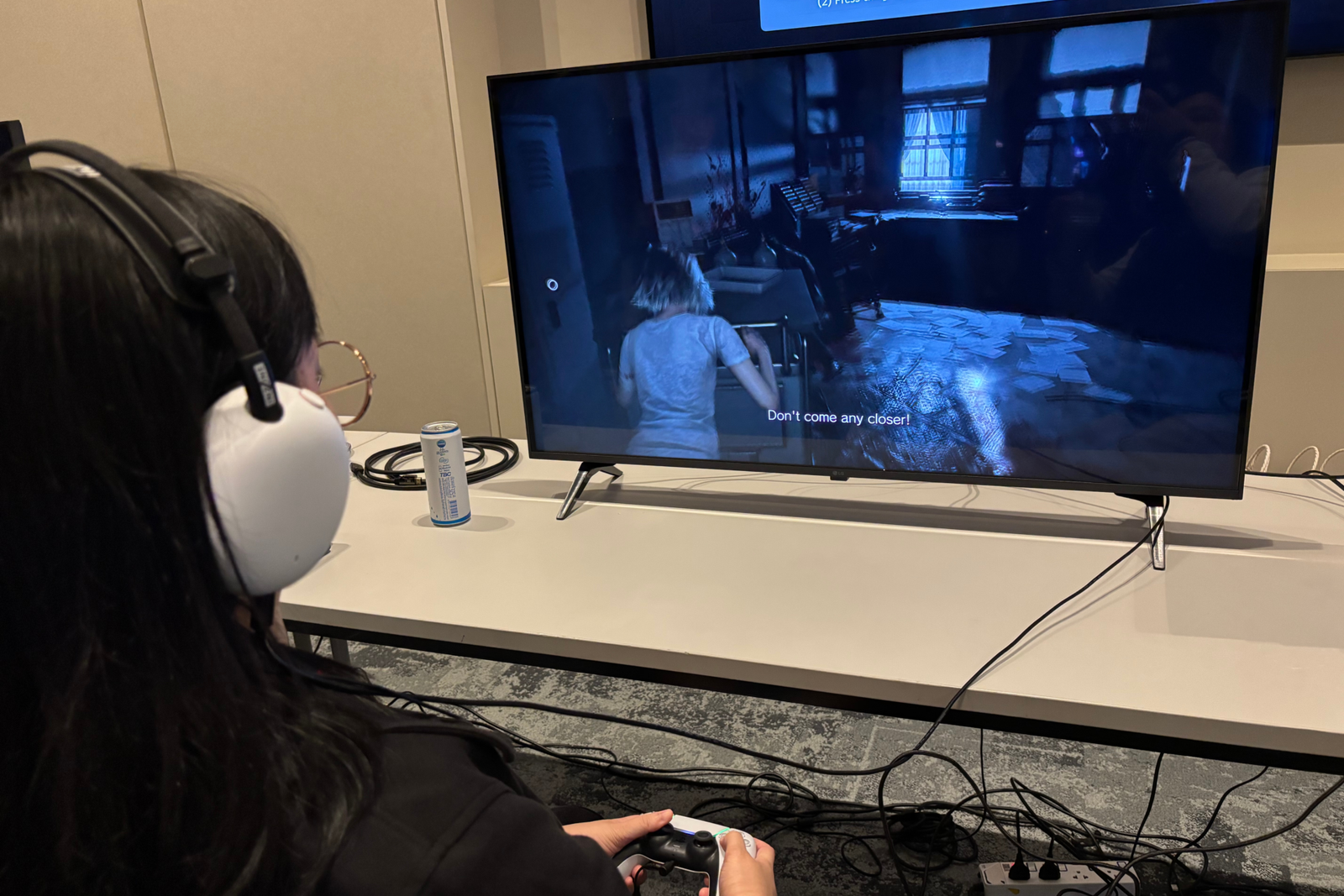
8. Unlike past Resident Evil games that limit players to either first or third person, Resident Evil Requiem lets players freely switch between both perspectives. What was the reasoning behind giving players this freedom? And what challenges did the team face in developing two perspectives side by side?
We realized that some players prefer first-person while others enjoy third-person views, so our first thought was — why not offer both?
First-person makes the experience more intense and terrifying, while third-person softens the fear a little, making the game more approachable for players who find it too scary.We had already experimented with this in Resident Evil Village through additional DLC, so implementing it in Requiem wasn’t a major technical challenge.
In Requiem third-person view, you’ll actually see Grace. Her fear, her panic, even the way she runs or trips when terrified. These details were intentionally added to strengthen the emotional connection between the player and the character.
9. We noticed that the objects on the table or car during the escape sequence play a big part in the immersion. Was the development of the game’s physics system challenging for the team?
Capcom’s RE Engine, also used in titles like Monster Hunter, plays a key role in creating Requiem’s immersive experience. We designed every detail, from subtle movements to collapsing environments, to heighten tension and make players truly feel the fear. In true Resident Evil fashion, it’s all about playing with emotion.
10. How does the RE Engine support the development of the game in terms of visual and performance?
The most important thing the engine creates the scare factor — whether it’s making it more scary, making it more real, making it enhance the fear within the game. That’s one. And also with the help of this engine, we were able to convert it to the Nintendo Switch version as well.
In terms of visuals like sweat, its performance is insane, and that has been highlighted to to make you feel more tense. We took a lot of time to focus on making the elements that can portray fear, so that the players can really feel the horror.
11. What technical or artistic choices did you use to create the game’s atmosphere, and what influenced those choices?
In terms of art direction, the biggest inspiration came from the Resident Evil series itself. But for the mood and tone, the director drew a lot from David Fincher’s style of dark, cinematic atmosphere.
We’d like to thank the Resident Evil Requiem team once again for sharing their insights with us. To learn more about the game and its latest updates, visit Resident Evil’s official website.






Comments 1