



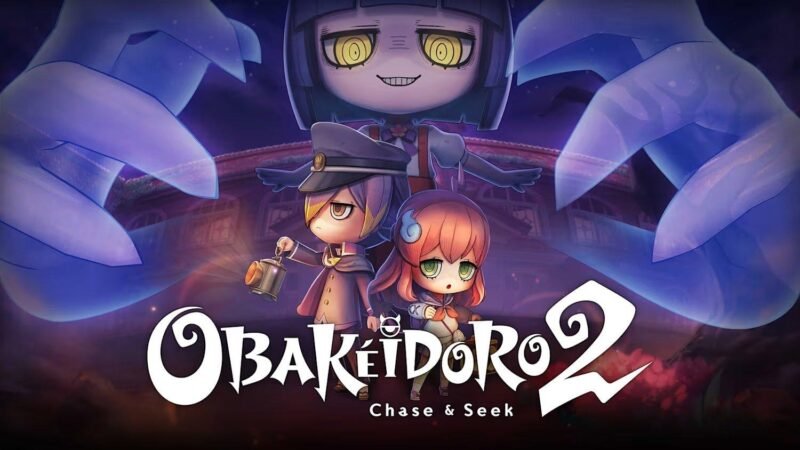
This Nintendo Switch asymmetrical multiplayer game mixes cute Japanese ghosts, frantic rescues, strategic Lanterns, and fast three-minute matches for up to eight players.
Obakeidoro 2: Chase & Seek may look cute at first glance, but once the chase starts, its three-minute matches can get surprisingly tense. The sequel to Obakeidoro, also known in English as Bail or Jail, keeps the original game’s easy-to-learn asymmetrical tag formula while giving it a stronger Japanese supernatural identity.
Instead of leaning on European-style monsters, Obakeidoro 2 fills its cast with figures inspired by Japanese ghost stories and urban legends, including Hanako-san, Red Cloak, and Mary-san. The result feels playful rather than frightening, but still creates pressure when a Monster is closing in and the timer is running out.
What is Obakeidoro 2: Chase & Seek?
Obakeidoro 2: Chase & Seek is a casual asymmetrical multiplayer game where Humans try to escape while Monsters hunt them down. Matches are built around quick three-minute rounds, simple abilities, rescues, and fast-paced games of supernatural tag.
Three Minutes, Two Sides
Each match lasts only three minutes. Humans win if at least one player remains free when time expires, while Monsters win immediately if they capture the entire Human team.
Online matches support up to eight players, split between six Humans and two Monsters. The short timer keeps every round moving quickly, with little downtime between hiding, chasing, rescuing, and repositioning.
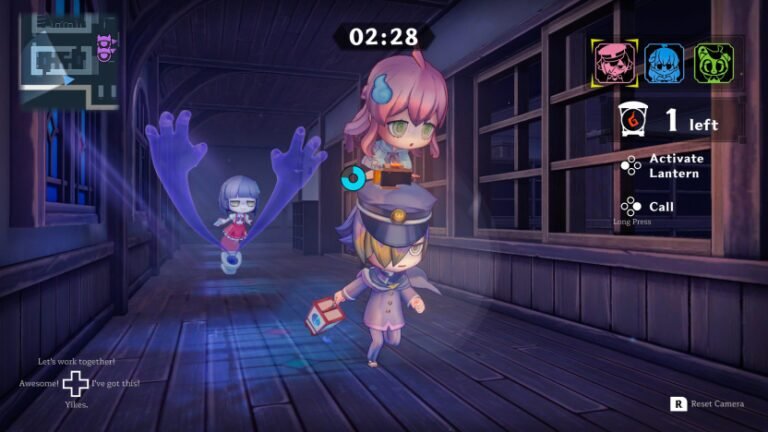
Playing as a Human is mostly about survival and teamwork. Captured players are placed inside a cage, but they can be rescued if teammates locate and activate two switches around the map.
Humans are not completely helpless, either. Every player carries a Lantern that can stun nearby Monsters. Lanterns differ in Speed, Range, and Stun, affecting how quickly they activate, how far they reach, and how long the Monster is stopped.
Human characters also have individual abilities. Some become faster when a Monster gets close, while others can reveal enemy positions on the minimap.
Hunting as a Monster
The Monster side changes the experience completely. Instead of escaping, the goal is to predict where Humans will run, cut off their routes, and capture everyone before time expires.
Monsters have a normal Catch and a stronger Super Catch. Under the right conditions, Super Catch can capture two Humans at once.
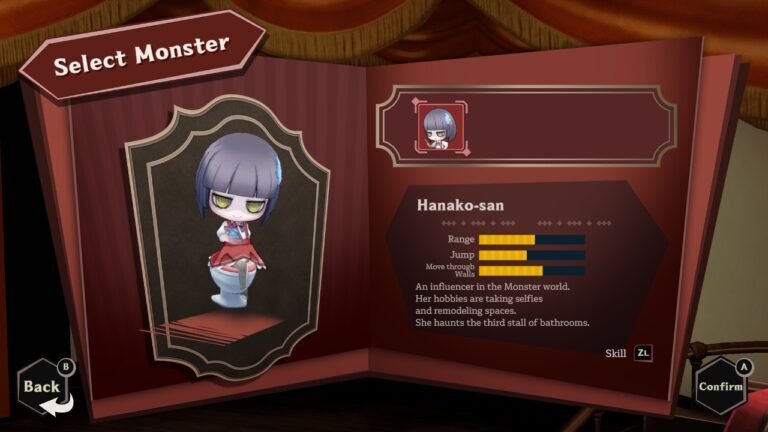
Map design also makes Monster selection important. Characters differ in Capture Range, Jump Height, and Wall Phasing, and some perform better on certain stages.
Delzo Academy is a good example. Hanako-san can move through walls, making her useful in its corridors and obstacle-heavy layout. Red Cloak relies more on a powerful high jump, which can be less effective in areas with low ceilings. The game also shows Monster suitability before a stage begins.
Other characters bring their own quirks, such as the Frog Monster, which gains improved movement and jumping ability when using Super Catch on watery surfaces.
Online, Offline, and Progression
Obakeidoro 2 supports both online and offline play. Online multiplayer requires Nintendo Switch Online, while offline players can use CPU-controlled characters, Local Party, or split-screen play.
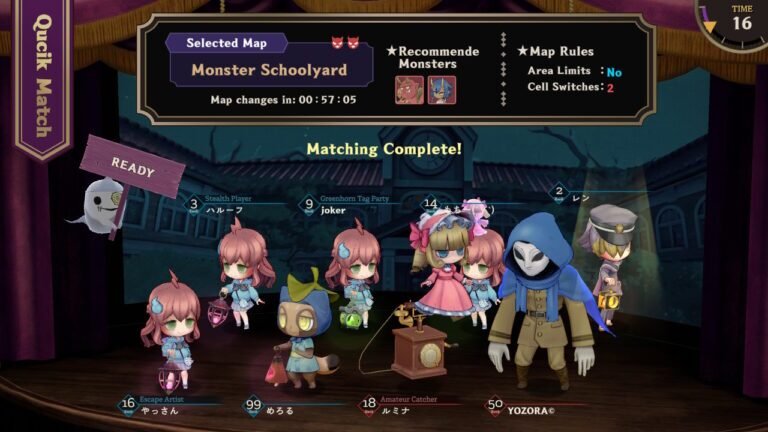
Quick Match can fill empty slots with CPU players if matchmaking does not find a full group. During our sessions, the CPU characters were capable enough to keep rounds active without making them feel completely predictable.
Progression comes through the game’s Lantern, Monster, and Badge shops. New items become available after reaching certain faction Ranks or completing specific conditions, while currency is earned naturally through matches.
Stamps act like small missions, asking players to complete objectives such as capturing several Humans or winning as the Human team. Rewards include Titles, bonuses, and additional playable characters, giving players something to work toward beyond individual wins.
A Casual Chase That Knows Its Strengths
What makes Obakeidoro 2 work is its clarity. The rules are easy to understand, the roles feel distinct, and the three-minute format makes it easy to jump into another round without a big time commitment.
There is still enough depth in Lantern choices, character abilities, rescues, and map-specific Monster strengths to keep the experience from feeling flat.
Its colorful chibi presentation and Japanese ghost-story theme also help it stand apart from darker asymmetrical games. The tension is still there, but it comes with a lighter, more playful personality.
With more characters and maps planned for future updates, the game has room to grow. For now, Obakeidoro 2: Chase & Seek delivers a compact multiplayer experience built around fast decisions, close escapes, and that familiar feeling of saying “just one more round” before immediately starting another.