



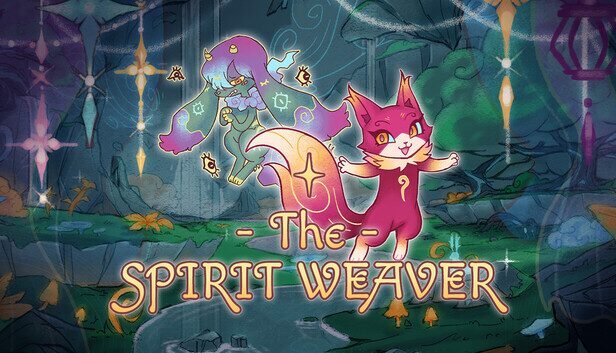
The Spirit Weaver is a narrative-driven visual novel where you use the power of Tarot to guide lost spirits through their grief, and maybe figure out your own. Explore a mystical spirit realm, help its denizens, and restore balance in a bittersweet story of love, loss, and empathy.
Developed by: StarBullet Studio
Played on: Steam
Length: 5 hours
A review key was provided by GameChanger Studio.
Some games do not need to be loud to leave an impression. They do not need explosive combat, massive open worlds, or complicated systems. Sometimes, all a game needs is a quiet room, a wounded soul, and the right question asked at the right time. The Spirit Weaver is one of those games.
Developed by StarBullet Studio and published by GameChanger Studio, The Spirit Weaver is a narrative-driven visual novel that uses tarot readings as its central emotional and gameplay device. You play as a Tarot Reader summoned into the Spirit Realm, a mystical place slowly being consumed by a strange darkness known as The Entropy.
Your role is not to fight monsters or collect loot. Instead, you listen. You meet lost spirits, understand their grief, interpret tarot cards, and try to guide them toward acceptance, healing, or at least a little more clarity.
And honestly, that is where The Spirit Weaver works best. It is not trying to be the biggest or most mechanically complex visual novel out there. It is trying to be sincere.
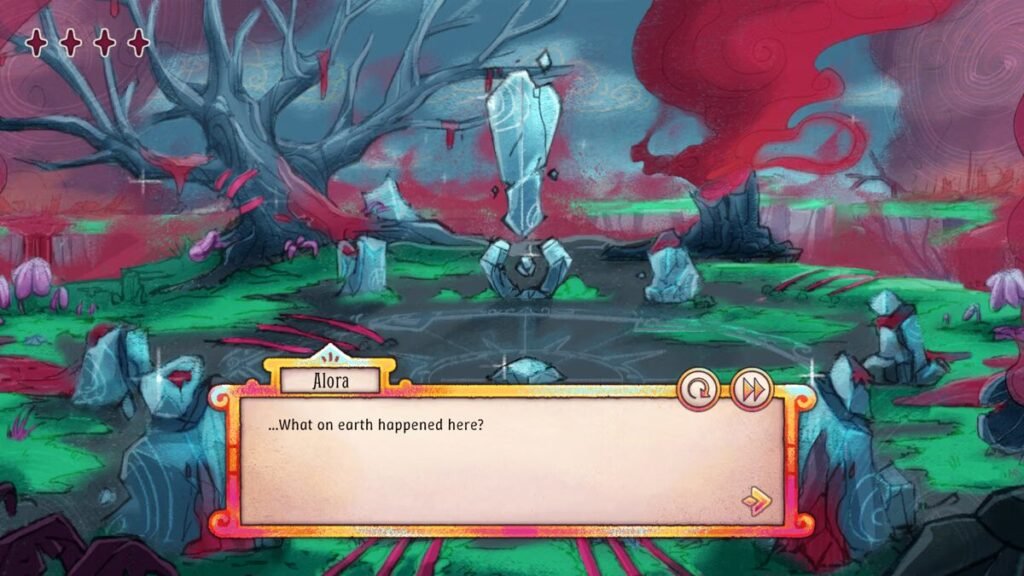
A Story About Grief, Empathy, and the Things We Carry
At its heart, The Spirit Weaver is a game about grief. Not just grief in the dramatic, cinematic sense, but the quieter kind. The type that stays in the background. The type that changes how people speak, how they remember, and how they hold onto the past.
The game places you in conversations with spirits who are lost in more ways than one. They are not just waiting for magical help. They are carrying regrets, fear, emotional wounds, and unresolved memories. As the player, your job is to slowly understand what they are really saying beneath the surface.
This is where the writing shines. The Spirit Weaver understands that healing is not always about giving someone the perfect answer. Sometimes, it is about helping them look at their pain from another angle.
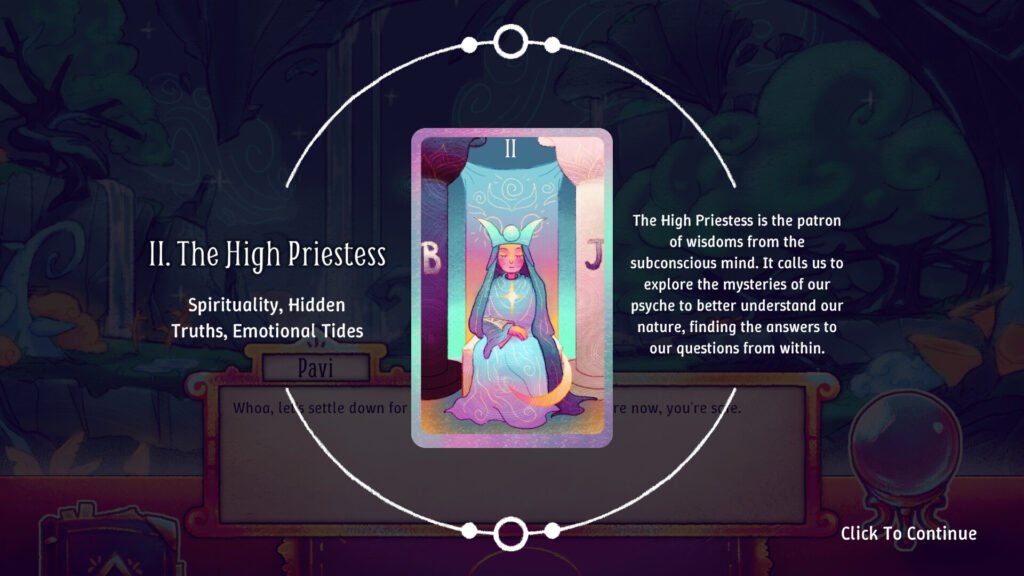
That makes the tarot concept feel meaningful rather than decorative. The cards are not just there because tarot looks aesthetic. They become a language for emotional interpretation.
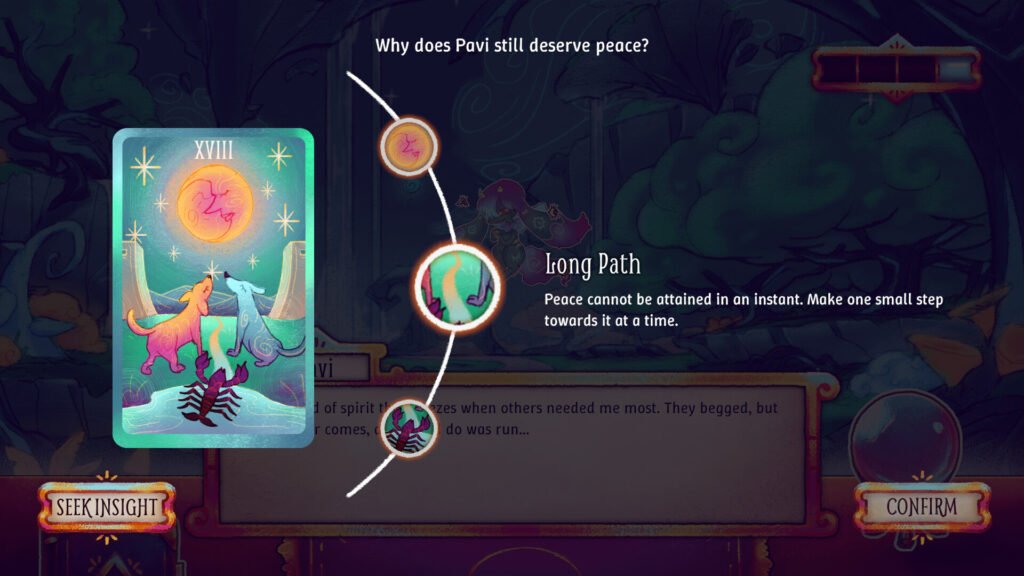
Tarot as Gameplay, Not Just Aesthetic
The main gameplay loop revolves around performing tarot readings. You listen to a spirit’s story, choose cards, and interpret them based on what you think the character needs.
What I appreciate is that The Spirit Weaver does not treat tarot like a simple right-or-wrong quiz. The better readings come from empathy. You need to pay attention to the character, their tone, their pain, and what they may not be ready to admit.
This gives the game a soft interactive layer. It is not mechanically deep in the traditional sense, but it does ask you to be emotionally present.
That said, players looking for complex branching paths, heavy puzzle-solving, or advanced tarot mechanics may find the gameplay too light. This is still very much a visual novel first. The tarot system supports the storytelling more than it challenges the player.
For me, that is not a weakness, but it is important to set expectations. The Spirit Weaver is less about mastering a system and more about sitting with a feeling.
A Beautiful Spirit Realm With a Gentle Melancholy
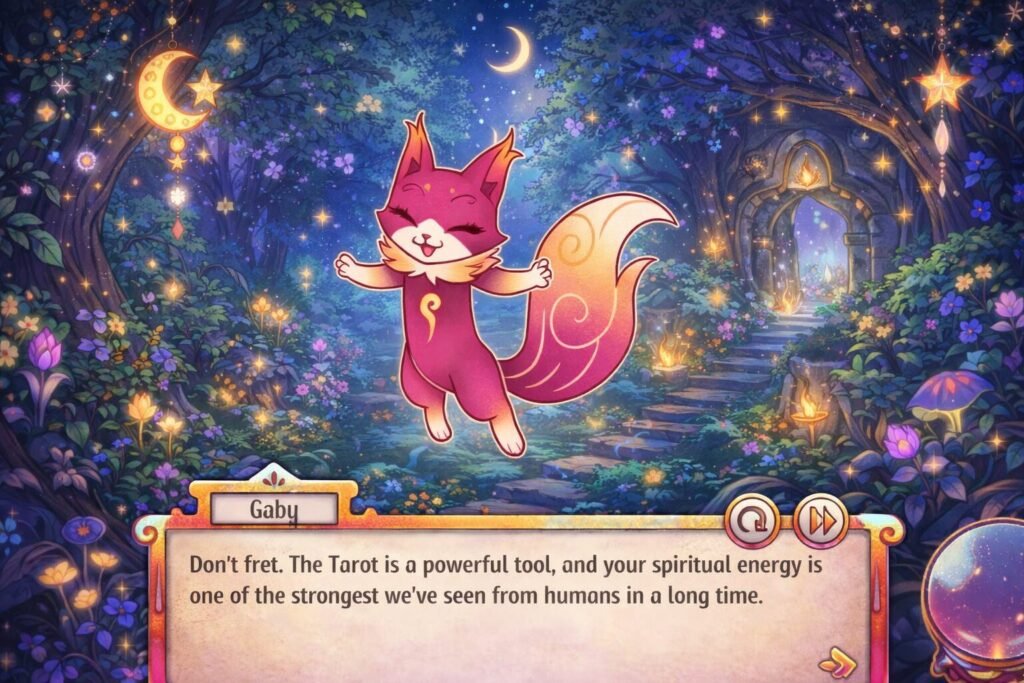
Visually, The Spirit Weaver has a soft, mystical charm. The Spirit Realm feels warm, strange, and melancholic without becoming overly dark. There is a handmade quality to the presentation that makes the world feel intimate rather than distant.
The art direction supports the emotional tone well. It gives the game a gentle fantasy atmosphere, almost like stepping into a storybook where every character is quietly dealing with something heavy.
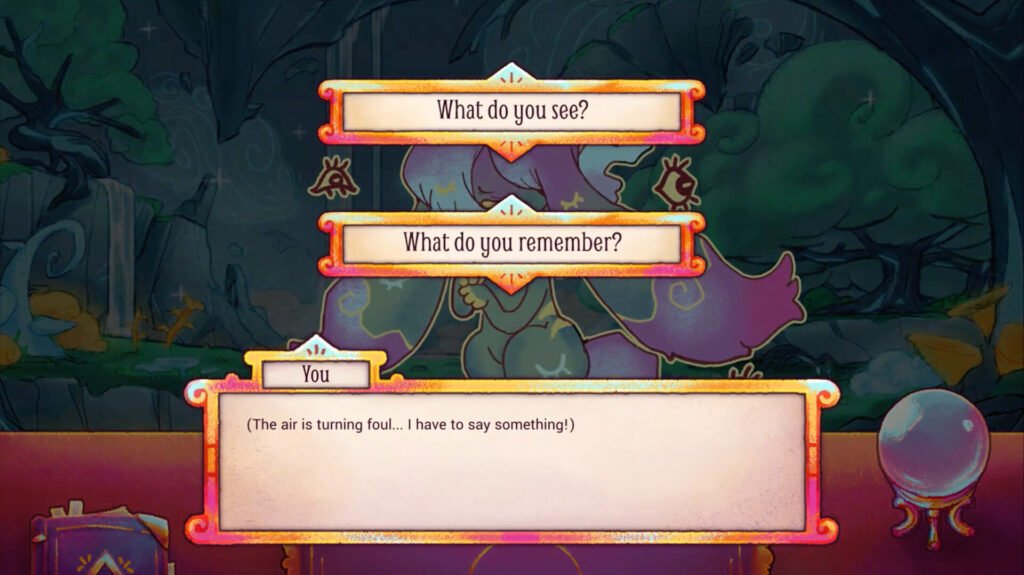
The UI and tarot presentation also help sell the experience. It feels cozy, readable, and thematically consistent. Nothing screams for attention, and that works in the game’s favor. This is a title that benefits from calmness.
It is the kind of game you play when you are not in the mood to be overstimulated. You play it when you want something reflective, short, and emotionally grounded.
Pacing and Length
The Spirit Weaver is a short game, and that will either be a strength or a drawback depending on what you want from it. The positive side is that it does not overstay its welcome. The story is focused, the pacing is gentle, and the experience feels intentionally compact. It is easy to finish without feeling exhausted.
The downside is that some characters and emotional arcs may leave you wanting more. There are moments where the world feels interesting enough to support a longer game, but the experience chooses intimacy over expansion.
Personally, I respect that. Not every indie game needs to stretch itself thin. Still, if you are expecting a long visual novel with huge route variation and dozens of hours of content, The Spirit Weaver may feel too small.
Verdict: Short & Soft
The Spirit Weaver is not a game that tries to overwhelm you. It does not chase spectacle. Instead, it offers something softer and more personal. It is a quiet visual novel about helping others process grief while maybe reflecting on your own. Its tarot system is simple but thematically strong, its atmosphere is beautiful, and its emotional storytelling gives it a clear identity.
It may not be for everyone, especially if you prefer gameplay-heavy titles, but if you enjoy narrative indie games with heart, The Spirit Weaver is worth your time. This is a game that feels like a warm hand on your shoulder. Not because it fixes everything, but because it reminds you that healing does not always happen all at once.
Sometimes, it starts with listening.
Pros
- Emotional and sincere storytelling
- Tarot system fits the themes naturally
- Beautiful mystical atmosphere
- Short, focused, and easy to complete
- Strong choice for fans of cozy visual novels
Cons
- Gameplay may feel too light for some players
- Short runtime limits deeper character exploration
- Best suited for players who already enjoy slower narrative games