





Haunting. A word that I would say is apt to describe “1998: The Toll Keeper Story” (“TTKS”), and even then, whatever you experience in the game itself pales in comparison to the horrors that served as its inspiration.
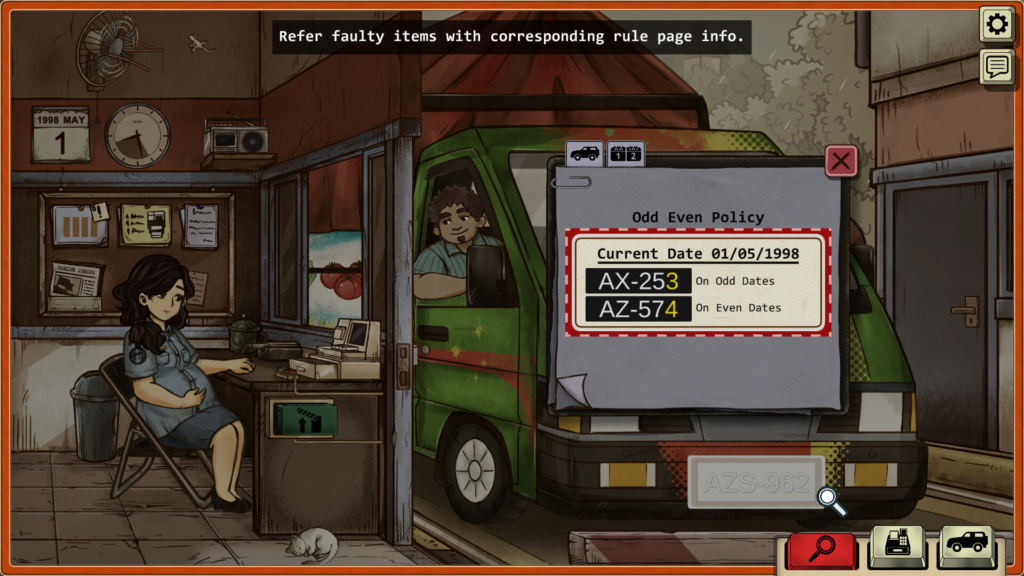
In TTKS, you play the role of a toll-keeper, in similar fashion to “Papers Please”. However, as the days go by, the story and game take a darker turn, from being a mental challenge for players to manage the toll booth and its rules, to emotional and moral challenges as the city-cum-nation you are in begins to descend into chaos, violence and horror.
Before moving into details about the game itself, some introductions are due. TTKS is brought to you by Indonesian game developer GameChanger Studios, based on true events that happened in Indonesia, namely the 1998 Riots (aka “Peristiwa 98 / Tragedi 1998”) which saw civil unrest, rioting and mass violence. As evident in the story itself, GameChanger seeks to give players a glimpse into that time by simulating the experiences and perspectives of a woman who had to unfortunately experience that chaotic era whilst carrying her child.
Due to its sensitive story and themes, GameChanger opted to self-publish TTKS, making it their first self-published title. It is also their first game to be set in a grounded and realistic setting, as opposed to their more fantastical previous games. Honestly, for their first time doing so, they really hit the nail on the head, which is really impressive.
Additionally, I would be remiss in talking about this game without some caution. As I said above, the game touches on very, very real topics, events and tragedies. So, while the art and music are pleasing, the story and gameplay can be a bit uncomfortable to some. The game is good, but do buckle up for an arduous ride.
Story
Without giving too much away, the game takes place in the fictional world of Janapa, which is based on Indonesia. Playing as Dewi, a pregnant toll booth operator, your job is to manage the coming and goings of vehicles. A simple, quiet life… at first. However, while things are relatively peaceful from the get-go, Dewi still has to deal with making ends meet, while coping with constant harassment from her boss.
As the days pass, things get darker as society declines into chaos. Dewi still has her job, but due to social and economic demands, she soon has to learn to make hard choices; pitting her morality against her desire for her husband’s, her child’s and her own survival. This is also exacerbated with people she loves and cares for being tangled in the tumult. All in all, no matter what decision you make, it’s never easy.
Audio/ Visuals
Evident in the store art and elsewhere before you actually play the game, you can see that the game features a cutesy art style reminiscent of old 2D games on the Nintendo DS / Gameboys. The style adopted for the game features hand-drawn artwork, which somehow appears to have a lot and few details at the same time. Together with the sepia-esque and muted colours used throughout, you really feel that you’re once again back in the 90’s, which feels so long ago, yet isn’t really.
The ambience is further supported by the realistic sounds in the background. The sound of cars, people and the city really adds to the immersion. The music as well is well-timed and aptly pairs with whatever situation Dewi experiences.
Gameplay
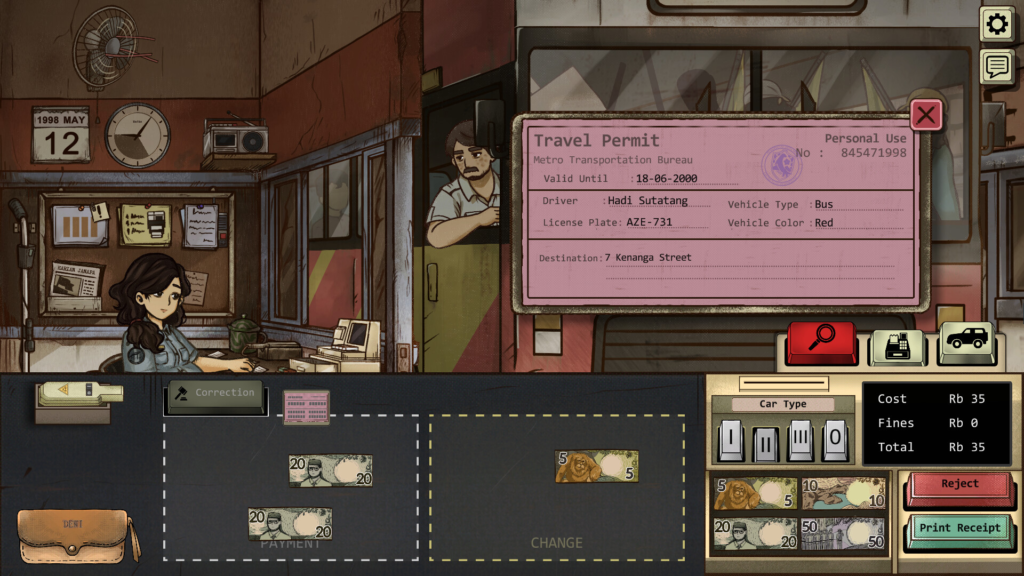
The gameplay is simple mechanically, requiring you to only point-and-click. As you go through your day-to-day, managing the toll booth as Dewi, your job is simply to check on the people trying to get past and to enforce the toll’s rules. At first, like with any toll booth, Dewi is tasked to identify each vehicle’s class and to charge them accordingly. As the story progresses, more and more rules get added in order for the vehicles to pass through the toll; however, it does not mean that Dewi is entirely powerless against these rules.
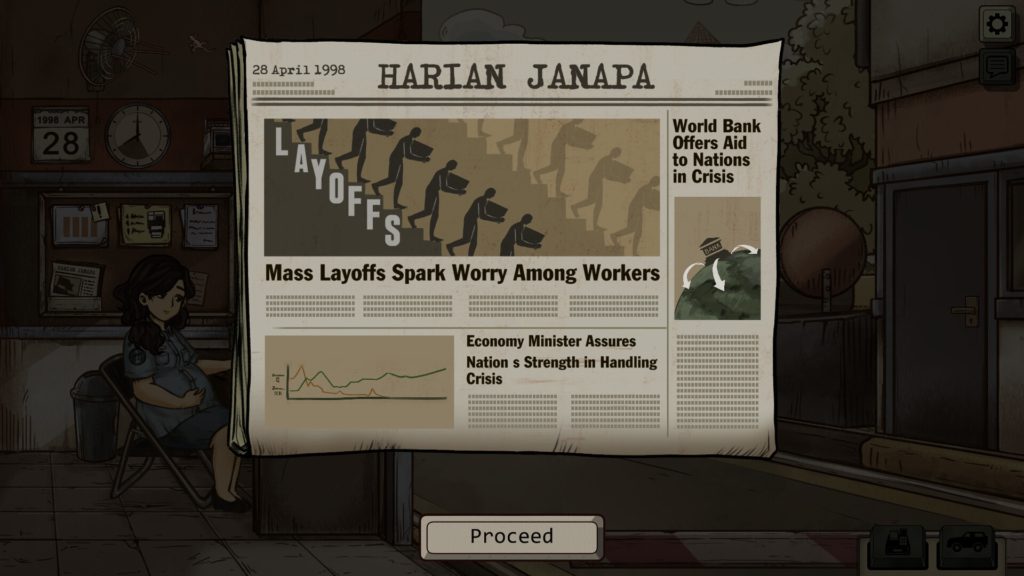
As mentioned above, the game challenges you emotionally more than mentally. As you make Dewi choose to let people through or not, it impacts her and the story as well. The need to survive of course has you adhere to the rules to earn your fees, whereas compassion tugs at you to allow some of the poor souls through, especially as you realise that your decisions have very immediate and/or permanent effect on the commuters. Before and during the riots, your every decision counts towards the lives of the people around you and yourself, which you find out through newspapers.
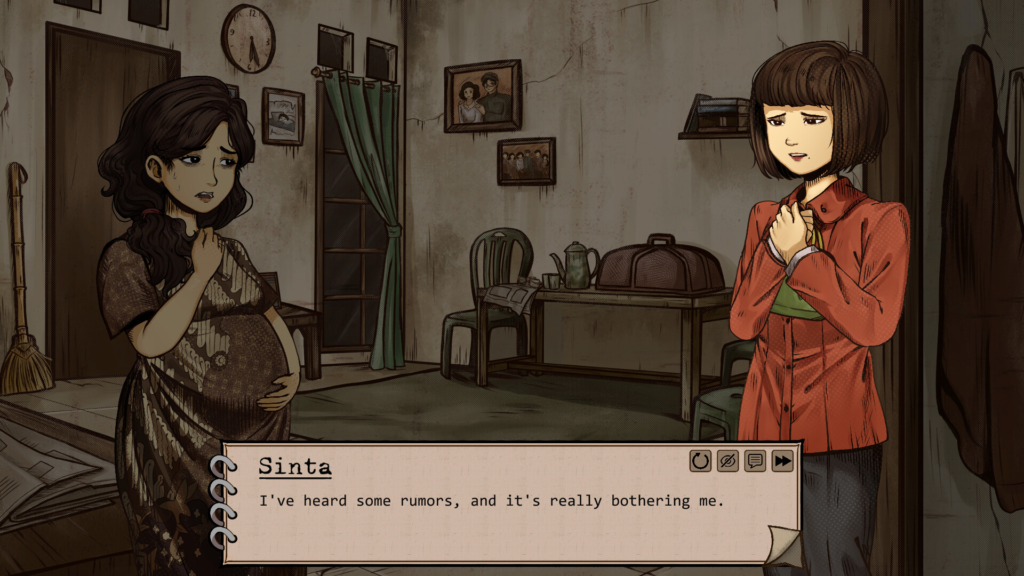
Parts of the game feel scarily real. Just like the NPCs you come across, sometimes in life you meet people who may intrigue you. You make your choice on how to interact with them, be they strangers or regulars. Then one day, you don’t see them anymore, as if they’d just vanished.
Conclusion
1998: The Toll Keeper’s Story is truly a game worth trying. While I won’t say it’s “fun” in the traditional sense, it can leave behind a feeling of catharsis and fulfilment. The game itself has you second-guessing yourself a lot and makes sure that everything you do is thought out and weighed carefully before making the final decision.
Aside from that, I can’t say there’s also much to improve upon, as the game in all its simplicity is good as is. However, as I said above, it does touch on sensitive topics, so perhaps a warning at the start of the game would be useful.
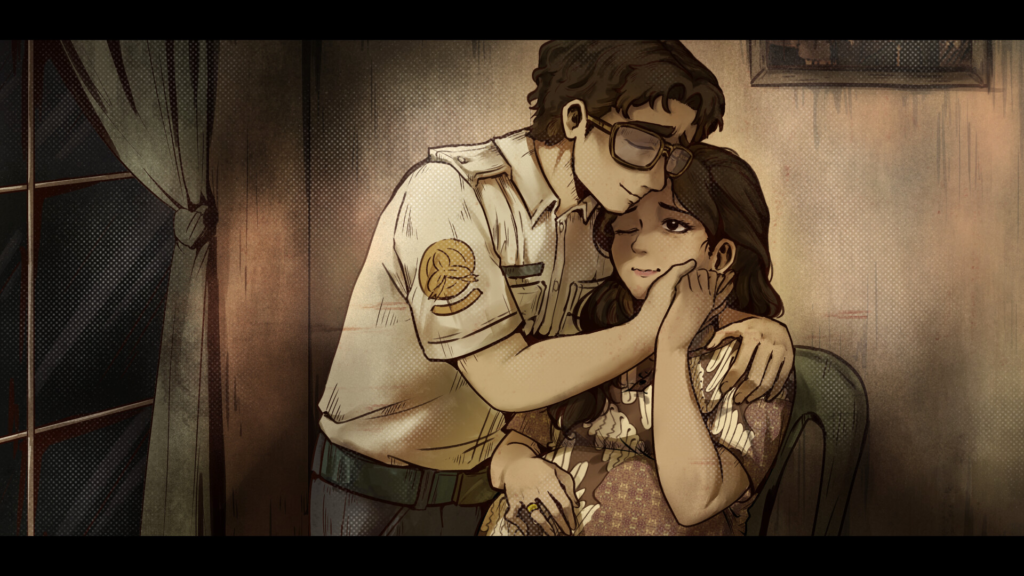
Dewi’s story could very well be what someone actually had to go through during Peristiwa 98, and this game lets you as the player see for yourself what that it might have been like to be in her shoes. Honestly, the story itself could be expanded into its own series, and it might just work because it’s so real.