



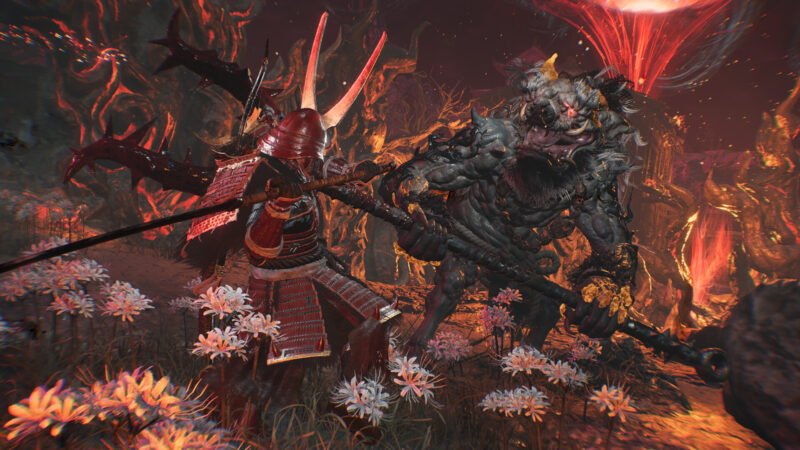
In the third game in the dark samurai action RPG series Nioh, you will need to use both Samurai and Ninja combat styles in your battles against formidable yokai as you explore a thrilling open field.
Developed by: Koei Tecmo Games
Played on: PlayStation 5
Length: 25 hours (60 hours for completionists)
As a long-time fan of Nioh, the moment Nioh 3 was announced, I was already sold. Teases of returning enemies, familiar faces, and that unmistakable Sengoku-dark-fantasy energy sent my hype through the roof. Still, I tried to stay calm — I’ve been excited before. But when launch day finally arrived and I booted it up, expecting something comfortably familiar, I realized within minutes that this wasn’t just familiarity. I was completely locked in. Not casually interested. Fully absorbed.
After a short cinematic, the game drops you into one of the most dangerously detailed character creators I’ve ever touched. I told myself it would take ten minutes to recreate my old character. An hour later, I was still adjusting facial details, scars, and color palettes like I was sculpting a masterpiece. The customization is absolutely insane, in the best way. When I finally stepped into the dojo tutorial with my arrogant twin brother, Tokugawa Kunimitsu, it felt like muscle memory instantly returning, Ki pulses, spacing, controlled aggression. I bullied him confidently. Almost smugly. And for a brief second, I thought, “Yeah… I still got it.”
Nioh 3 quickly reminded me that confidence is a luxury.
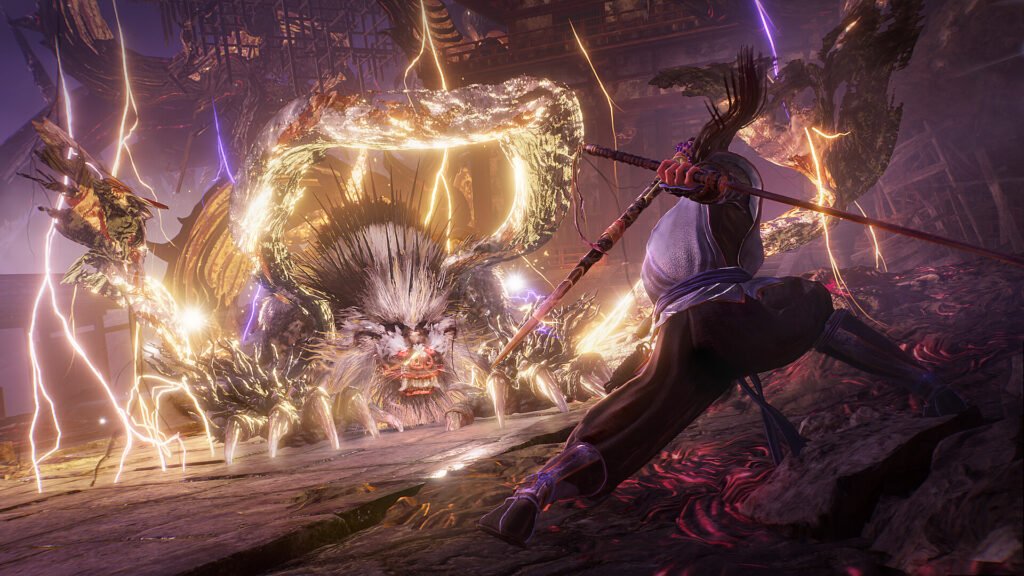
Combat is where the game just explodes with energy. The introduction of Samurai and Ninja styles didn’t feel like a simple feature, it felt like being handed two completely different toys and told to go wild. Samurai style instantly felt like home: stance switching, tight Ki management, skill weaving, that classic rhythm I’ve loved since the original. Then the Arts Proficiency system kicked in, rewarding clean combo chains with increased damage and reduced Ki consumption.
At first, it disrupted my flow. I was playing on autopilot like I always do. But when it finally clicked, and it clicked exactly when I needed it most, everything felt incredible. I was chaining skills smoothly, melting enemies, watching my Ki efficiency spike. It didn’t feel broken. It felt earned. Like I unlocked a new layer of mastery.
Then Ninja style entered the scene… and that’s when I started grinning.
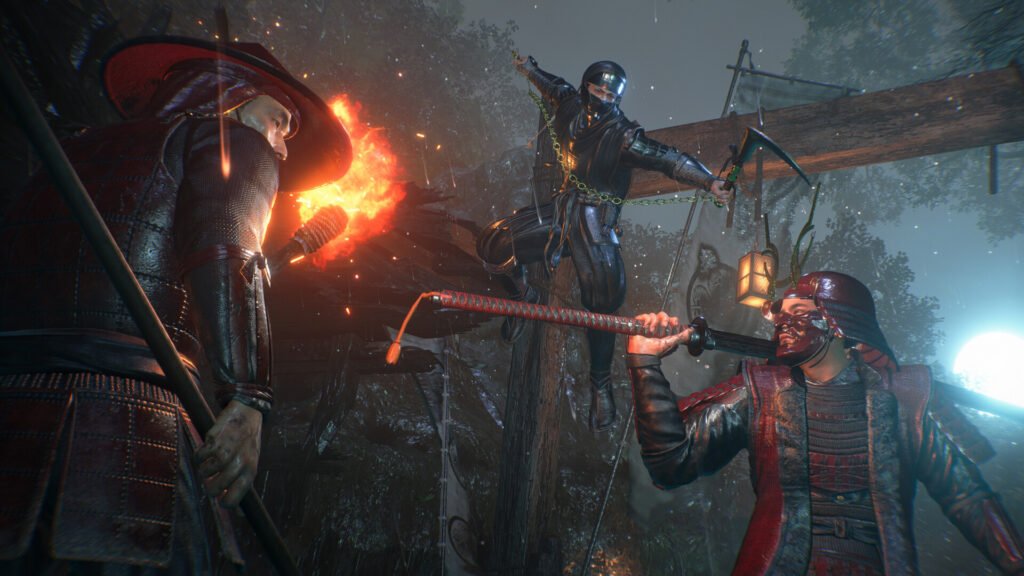
It’s fast. It’s flashy. It’s pure chaos in the best way possible. Dashing around enemies, slipping behind them, bursting them down before repositioning, it feels like the game suddenly switched to turbo mode. The ninjutsu system takes it even further, letting you cast tools mid-air. Hovering above enemies, throwing spells and kunai while keeping them staggered, feels ridiculously cool. It’s like I’m floating around causing chaos. And yes — if I mess up, I get punished instantly. But that risk just makes every successful play even more satisfying.
What makes it truly amazing is how smoothly you can switch between styles. I can pressure an enemy up close in Samurai style, break their stance, and then the moment they retreat, or when I need a safer finishing option, I swap to Ninja and throw kunai from a distance to secure the kill. It’s like having a tactical “finish button” that carries less risk. Breaking their guard, switching styles mid-fight, and locking in the kill from range feels SO good. It genuinely feels like outplaying the game in real time.
And the best part? You’re never locked in. At any moment, you can flip between Samurai discipline and Ninja chaos depending on the situation. It keeps every fight dynamic and reactive. Instead of committing to one playstyle, you’re constantly adapting, experimenting, switching on the fly. It feels like being handed two fully upgraded weapons and told, “Go crazy.” And trust me — I did.
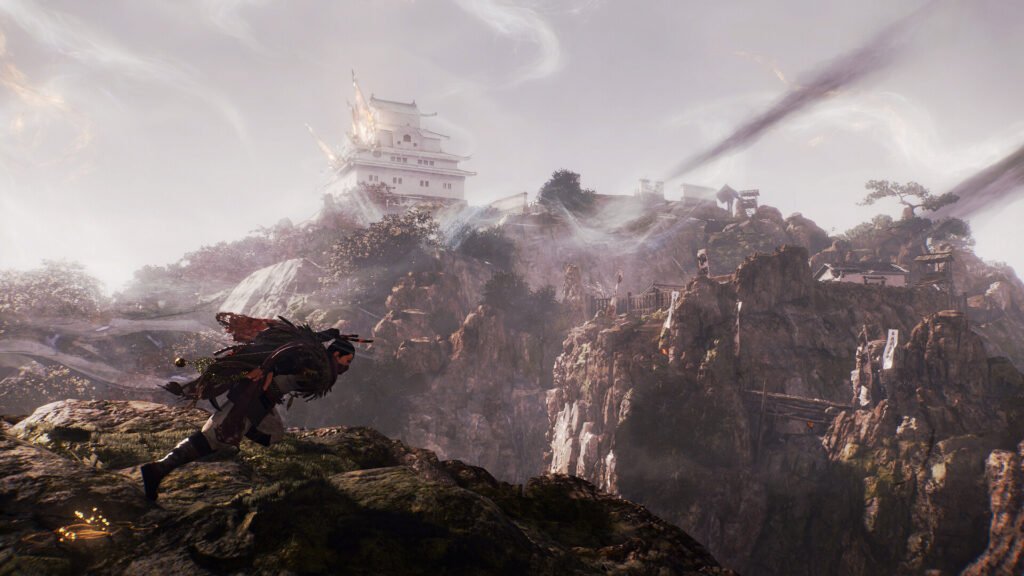
Exploration genuinely surprised me. The mission structure remains familiar, but the maps feel more alive and layered. Beyond the standard shrine-to-boss flow, there’s so much to pull you off the main path — and I mean that in the best way. New and returning collectibles like Kodama, Chijiko, Sudama stores, and Scampuss give you constant reasons to explore every corner. Finding a hidden Sudama shop tucked behind a dangerous detour or rescuing a Scampuss before it wanders off adds charm and breaks up the intensity perfectly.
Enemy bases and optional side activities further expand exploration. Clearing strongholds, hunting hidden treasure, and discovering vertical shortcuts often completely distract you from the main objective. And honestly? That’s amazing. Sometimes you don’t want to bash your head against a boss repeatedly. Sometimes you just want to relax, explore, hunt collectibles, and aim for 100% completion. It adds breathing room and keeps the experience from feeling like a constant pressure cooker.
Sound design quietly elevates everything. Blade clashes have weight. Ki breaks deliver that satisfying crack that screams “your turn.” Ambient sounds, distant growls, wind cutting through trees, keep tension high during exploration. Boss themes swell dynamically without overpowering combat clarity. It all works together to keep you immersed and alert.
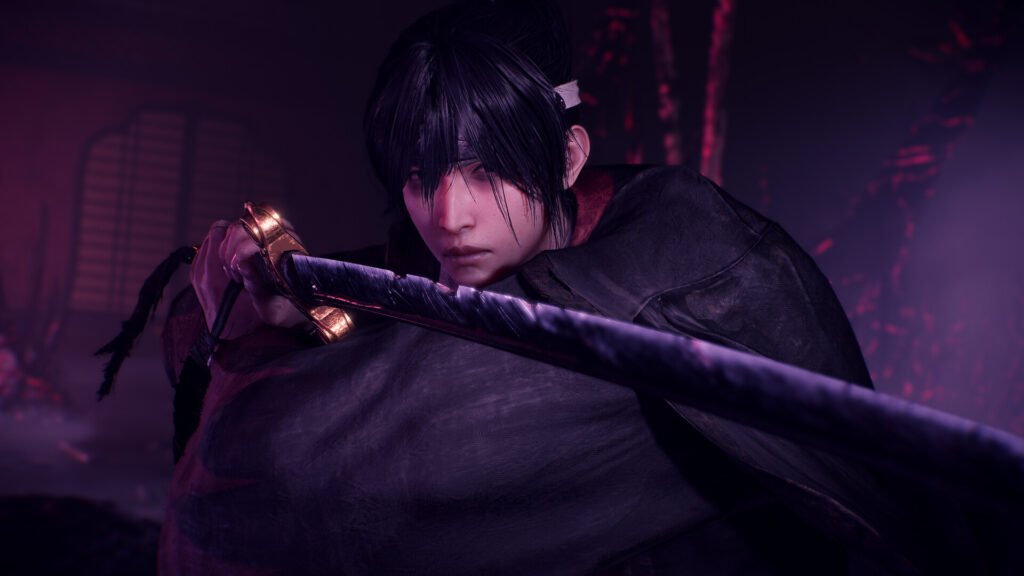
And then… Baba Nobuhara happened.
Up until that fight, I felt unstoppable. Baba humbled me fast, not because he hits the hardest, but because he lies. His fake attacks are psychological warfare. He telegraphs a slash, delays mid-motion, then pivots into something entirely different. He raises his weapon like he’s fully committing, an illusion of him swings his blade to bait your dodge, then comes the actual attack punishing the recovery. My veteran instincts betrayed me. I reacted too early. Over and over again.
That fight became my first real wall — and I loved every second of it.
When I finally slowed down, stopped trying to dominate, and started playing patiently, everything changed. That’s when arts proficiency clicked with me, I leaned into disciplined Samurai play, embraced the new parry mechanics, punished only confirmed openings, and used Ninja mobility strategically instead of recklessly. When he finally fell, it wasn’t relief I felt — it was pure exhilaration. That “OH MY GOD I DID IT” moment.
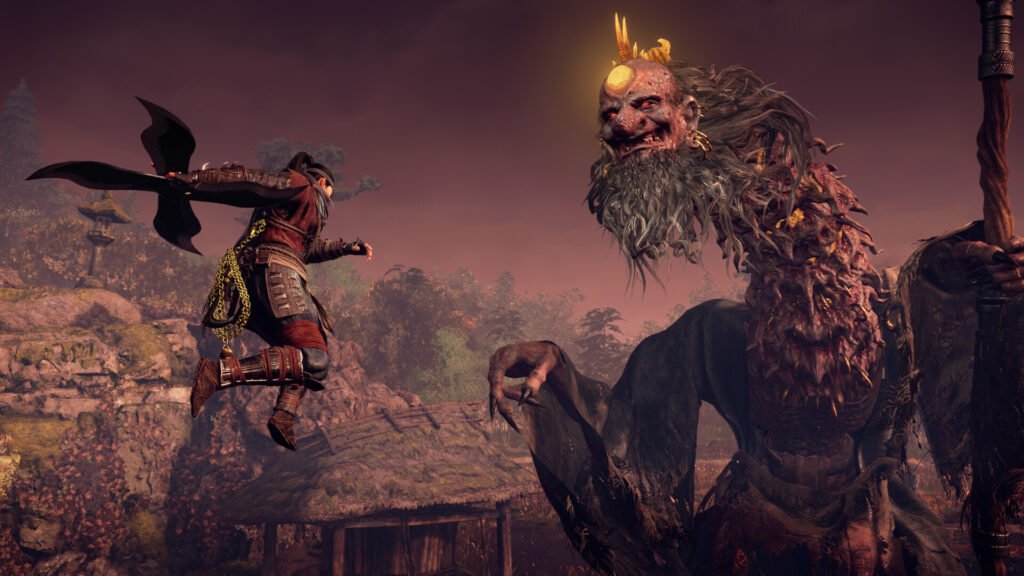
Difficulty-wise, Nioh 3 feels sharper, smarter, and more intentional. Early confidence gives way to mechanical pressure. It’s not about inflated health bars — it’s about precision, timing, and adaptation. The Arts Proficiency system feels incredibly powerful once mastered, but you absolutely have to earn it. This might not be the statistically hardest entry, but mechanically? It demands focus.
Nioh 3 doesn’t need to reinvent the franchise. It refines it. It sharpens everything that worked before and dares veterans to prove themselves again. Having fought through Nioh 2 and poured countless hours into the original, I can confidently say this entry feels bold and self-assured.
It’s faster. It’s smarter. It’s meaner.
And it reminded me exactly why I fell in love with this series in the first place.