


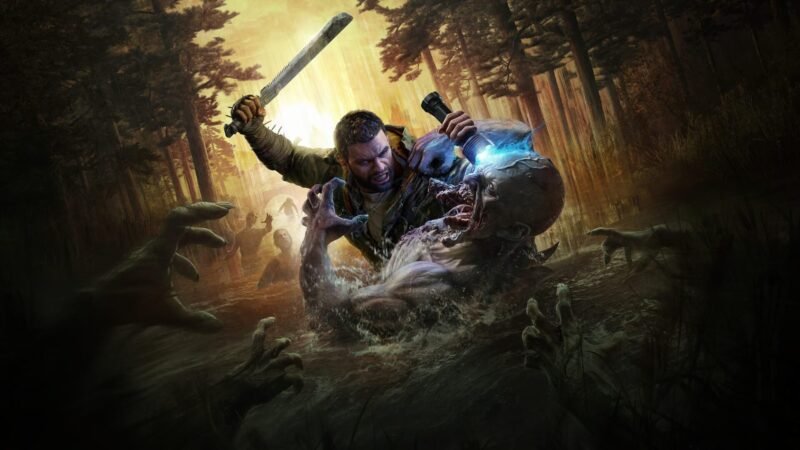
Dying Light: The Beast is the third game in Techland’s Dying Light series of action-adventure games, known for their tense atmosphere, dynamic day-to-night cycle, and unique blend of horror and survival elements. Originally designed as a DLC for Dying Light 2: Stay Human, The Beast was expanded into a standalone game that officially released on September 18, 2025.
At gamescom asia x Thailand Game Show, we had the opportunity to sit down with franchise director Tymon Smektala, as he shared more about Techland’s experience with this highly anticipated title.
What was the biggest challenge you faced while producing this game?
I think the biggest challenge of making Dying Light: The Beast was making sure that we don’t make any mistakes when it comes to the legacy of the series. Especially because we decided to bring back Kyle Crane from the first game, which is the most precious element that we have. If you look at the announcement trailer for Dying Light: The Beast, and you look at the comments on YouTube, basically every single comment is “Kyle Crane!” “Kyle Crane returns!” Everyone talking in capitals, lots of exclamation marks.
You might think the fights are the most important part of Dying Light, but maybe for most players it’s actually Kyle Crane, this character. We have managed to create a character that’s very special to a big number of players. They have lots of memories about him. And we were afraid, I think for me it felt like a real threat, a real danger. If we did something wrong with how we brought back Kyle Crane, then I think Dying Light: The Beast would not be the success that it is.
We actually spent most of the production trying to kind of fine-tune and find all of the little details that Kyle Crane should have. Before coming here, I had a presentation at gamescom asia x Thailand Game Show about our process of creating Kyle Crane, and I was going through all of the details because really there’s a lot of little things that make up Kyle Crane.
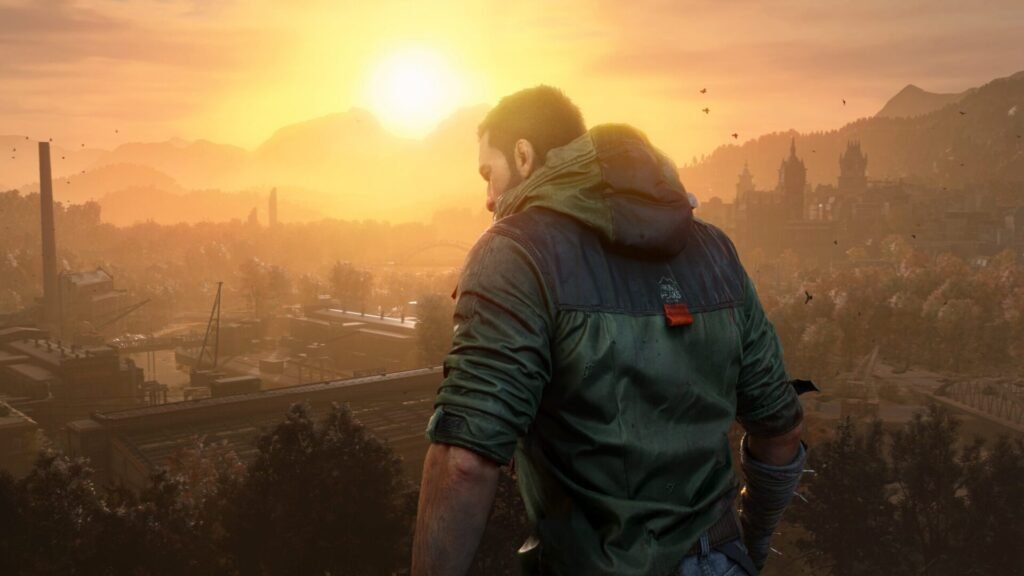
We started with inviting the members of our community to our studio to have creative workshops, where we tried to understand what’s most important about the character for them, like what they expect from the return of the character. All of the other stuff, it was just design production challenges, something that every studio goes through. But bringing back Kyle Crane was like an emotional challenge, almost like a personal challenge, because we are offering our players the return of the character that they loved ten years ago.
Still, you know how it is, our memories always have like some version of the story which is not always true, so that was the hardest. And even before the game was released, even the minute before the game went live, we started hearing various voices from the players, and we were like sitting in our studio keeping our fingers crossed that we did this right. But thankfully, we did.
Were the systems in this game designed to mirror the skill growth that was once given in the main series?
I think so, yes. We try to evolve with each Dying Light game. So we try to learn from one and do something a little bit new, a little bit different in the next one. Evolve, upgrade our systems, grow our systems, then move to the next one. As a franchise director, how I see it is that every new Dying Light game should introduce a properly balanced level of innovation and new systems, that we can then take and keep in the library of Dying Light systems, so the next game has a bigger number of systems to choose from.
The same goes for the enemy variety. We want Dying Light to keep evolving because we also understand that sometimes players say, “Hey, give us more of the game that we like“, but if you just give them more of the game that they like, when they get it, they will say, “Oh, it’s just more of the game that I liked“. So there needs to be a level of something new, there needs to be a level of some innovation. I don’t think there’s one formula, but the key is to find enough innovation that makes the experience feel fresh.
What are some of the differences between this game and the previous Dying Light titles?
So you probably have noticed that when it comes to the progression of Kyle Crane in his human form, the progression is not as big as in the first game. Why? Because in the first game, when Kyle Crane was entering this world of zombie apocalypse, he wasn’t prepared for it, so he had to learn everything from scratch.
But in Dying Light: The Beast, he’s already gone through Dying Light 1, and already knows how to handle himself within the zombie apocalypse. So what we wanted to do for The Beast is to focus on his growth and progression through his new beast mode, the infected beastlike abilities that he gets in Dying Light: The Beast.
That’s why the progression line of him as a human is not as big. We just wanted to make sure that he gets a number of new skills that work in the new environment and with the new enemies, and we have focused on his beast mode and the abilities that he gets.
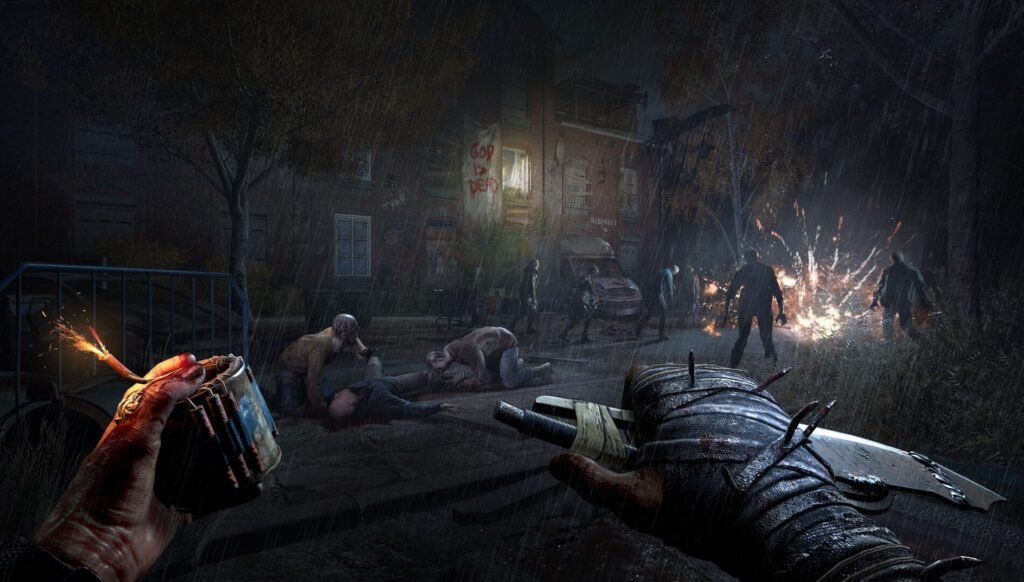
For hardcore players who love pushing boundaries, what is your next step in designing scaling mechanics to keep The Beast replayable?
The majority of this is connected to the balance of the game. We wanted to make sure that Dying Light: The Beast lands because it tells a story of a very important character in the universe, and we wanted players to experience that story in its entirety. It is a tough game, but for the hardcore players, probably something that they are already used to. We wanted them to play the game till the end, to see the ending, everything.
But now we are in the post-launch phase, and now in the post-launch wait phase we will definitely be answering the needs of our most hardcore players. We are not talking about specifics about how difficult the nightmare difficulty yet, but one thing that players can expect is that we will increase the difficulty and the challenge even more.
We will do something to how our Volatiles behave that will make them even scarier, like a little bit more focused on getting the player. Again, I cannot reveal that yet, but very soon when we will be talking about the nightmare difficulty, there will be one little cool aspect about the nightmare difficulty, where players will get to experience a new behavior from Volatiles that I think will make the game even scarier and really challenging, even for the hardcore players.
When we work on the next game with a new map, I think we will try to do something different to the previous one. I would like to get back a little bit to this more parkour-heavy feel for the next game, as we saw in the test with Castor Woods. With each one, we will try to find something new, a new way for players to experience parkour and all of our other mechanics.
Some players have expressed that they find the current travelling system stressful. Are there plans to bring back the fast travel system?
I know this is a kind of a difficult answer, but when we hear,”I want fast travel because actual travelling is stressful,” then for us, it means that’s good and we will never give you fast travel (laughs). And I think this is a moment where players are saying, “Hey, we want this.” But sometimes when you give them the thing they request, they realize that they actually lose something else, and that the experience is not the same.
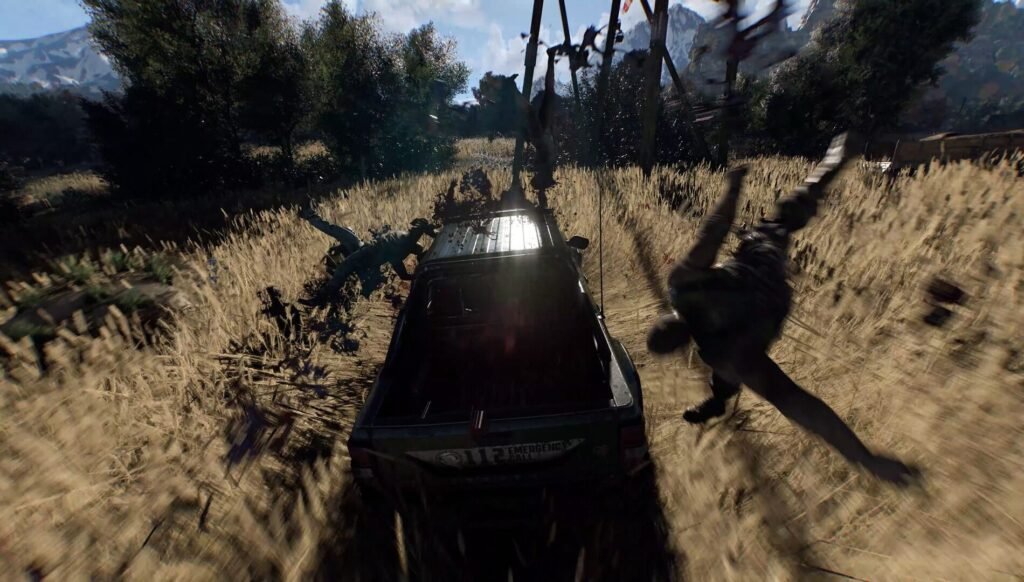
Right now, there’s no plans to introduce fast travel, because we believe very strongly in the fact that driving is the best option for when you’re just trying to get from point A to point B. This is where the adventure happens, this is where you encounter zombies, and this is where you can come up with your own ways to get to a place without dying. If the community keeps pushing and pushing and pushing, then, yes, maybe we’ll consider it, but our strong design belief is that implementing fast travel would take away from what the game is about.
Dying Light: The Beast feels very much like an action-focused game compared to the first and second, which is more adventure-focused. Was that a direction shift the entire team wanted to explore?
I’m surprised you asked that, because actually for us the direction was different. We wanted to make Dying Light: The Beast more survival-ish. So maybe you’re just like, you know, a good enough survival player that you see just the action.
At the same time, I think there’s something very unique about Dying Light in general, in that it connects survival, adventure, and action. We spent a lot of time working on how you cut limbs, how you cut heads, how blood sprays, how explosions look. So when you look at that, you might say, “oh, it’s an action game“, because a lot of things are happening on the screen. But for us, it’s not really an action game. I would say maybe action-survival.
The action elements are mainly there to give you feedback as a player. For example, if you hit a zombie and there’s like a big spray of blood, you’ll know that this is what you should do. If you hit them another way and nothing happens, then you realise, okay, this is maybe not something you should do. So this is basically our way of telling players what they should do, and it also creates a a very bloody, very glorious spectacle.
For the first game, you worked with David Belle, who is a very well-known parkour athlete. How did the team keep that parkour element within this game, and make it still feel fresh for Dying Light: The Beast?
I can think of two things. The first thing is that we were lucky enough to have this element made well in the first game, and, as you said, it was fresh, and to be honest, it still is fresh. If I told you to name me another first-person parkour game, you would think of “Mirror’s Edge”, but that’s the only one, and it came out ten or fifteen years ago. There haven’t really been any other games like that, so we still have something fresh.
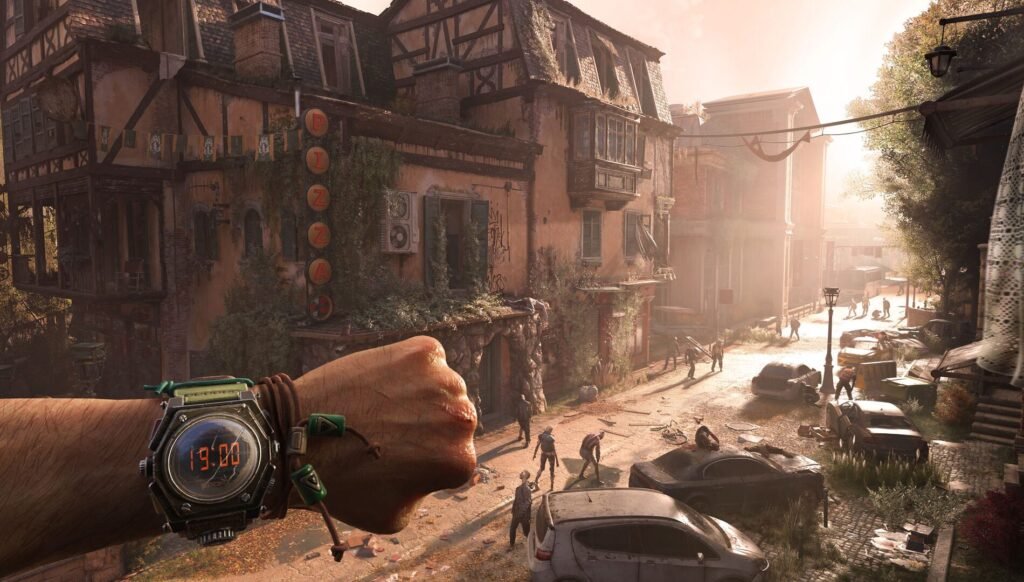
I think game developers should be humble – and I am humble – but I think, here, I can say that we actually have the best first-person parkour in gaming. So, when you’re lucky enough to have something like that, you don’t want to break it. We just did a few little tweaks here and there to improve the formula, mostly stuff below the surface, that’s maybe not even that interesting for players to learn about because they don’t see that.
At the same time, we know that we have to come up with some new mechanics, and I think with the next game, we will actually try to do much more in terms of parkour, like trying to see what else we can do. Maybe we’ll give the players some tools or abilities that will make it even more interesting for them.
We’d like to once again thank Tymon Smektala for sharing his thoughts with us! For more updates on all things Dying Light, be sure to check out the official website.