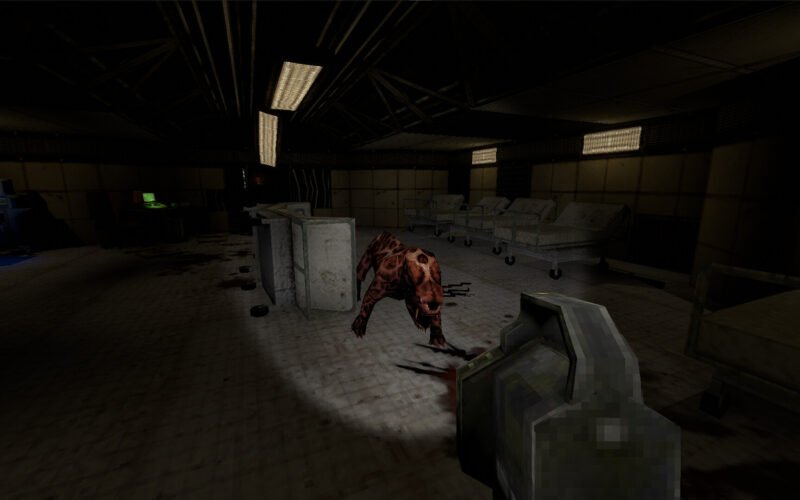





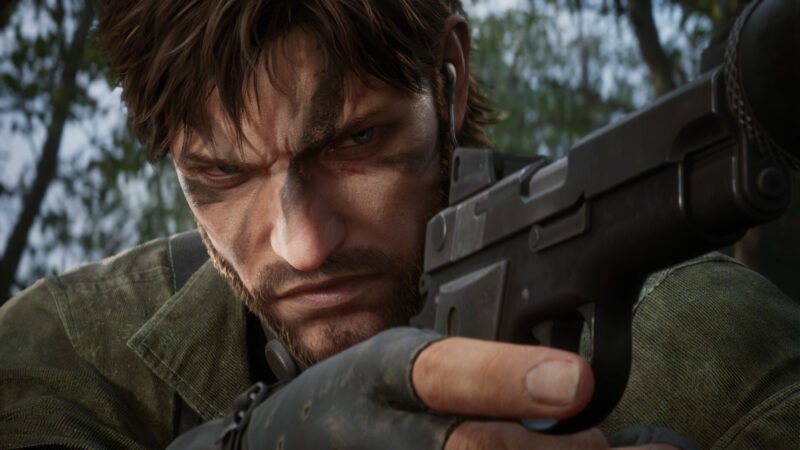
Rival nations are secretly developing weapons that could threaten the future of mankind. Deep in the jungle, an elite soldier must combine stealth with survival to infiltrate the enemy and stop a weapon of mass destruction from triggering the largest full-scale war the world has ever seen. Discover the origin story of iconic military operative Snake and begin to unravel the plot of the legendary Metal Gear series.
Developed by: Konami Digital Entertainment
Played on: PlayStation 5
Length: 15 hours
A review key was provided by Soft Source Publishing.
We get it, the Metal Gear games are an acquired taste. The franchise is almost as embroiled in its own meta-commentary as it is drowning in its own memes, and that can be intimidating to someone who wants to pick it up for the first time. As someone who recently started playing the games myself, believe me when I say I understand the struggle. However, if you’re curious enough to find out the reason behind the franchise’s cult following, this remake is the best place to begin — and here’s why.
Metal Gear Solid Δ: Snake Eater may have originated from the fifth entry in the franchise, but it is the first chronological game overall. Set in the 1960s, the game follows an elite soldier codenamed Naked Snake, who is tasked with infiltrating enemy lines to rescue a prominent Soviet weapons scientist and sabotage a weapon of mass destruction capable of sending the world into a full-scale nuclear war.
There’s a lot more to unpack here, from a strained relationship with a former mentor to larger scale political puppeteering, but all in due time. Expect plenty of World War II era historical exposition, and even more Hollywood inspired cinematics, but that’s part and parcel of the Kojima video game experience. If you plan to pick this up, I suggest you learn to embrace the whimsy in it. After all, this is a game where a man unironically eats snakes.
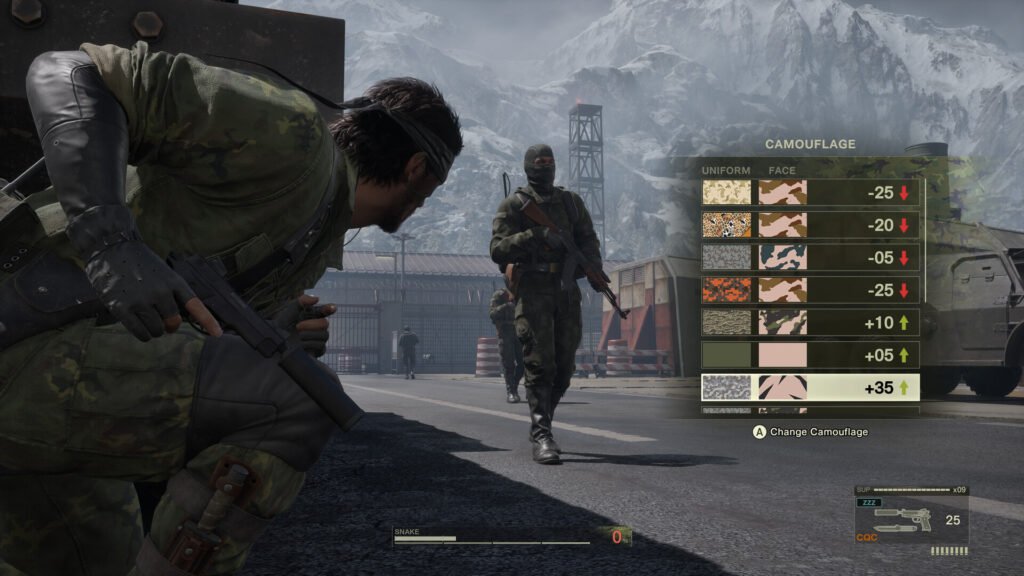
If you don’t know anything about Metal Gear, the franchise is best known for its realistic and unforgiving approach to stealth gameplay, especially when compared to stealth in modern titles. Even in Normal Mode, your enemies have a hair-trigger sensitivity to every rustle in the bushes or hurried footstep in their earshot; and once you’re caught, the consequences are swift and merciless. Needless to say, this isn’t the kind of stealth game where you can run away and pray that your enemies develop sudden amnesia.
In exchange, the game supplies you with plenty of stealth equipment to customise your playstyle. You can apply camouflage to make yourself harder to spot, or you can use a motion detection device to keep track of your enemies movements. Even then, you will find yourself caught off-guard by an enemy who spots you from above, or your grumbling stomach might betray your location. Part of the fun is learning how to stay one step ahead of your enemy at all times.
What astounds me about the game is how far it goes with its commitment to realism, or perhaps metarealism. Especially in today’s climate when the player is treated like god, and most gamers have a common understanding of game design limitations, nobody toys with this mixed medium quite like Hideo Kojima. His commitment to emulating reality, while also towing the line as close to the fourth wall as possible, results in the Metal Gear franchise’s meta humour that resonates even today.
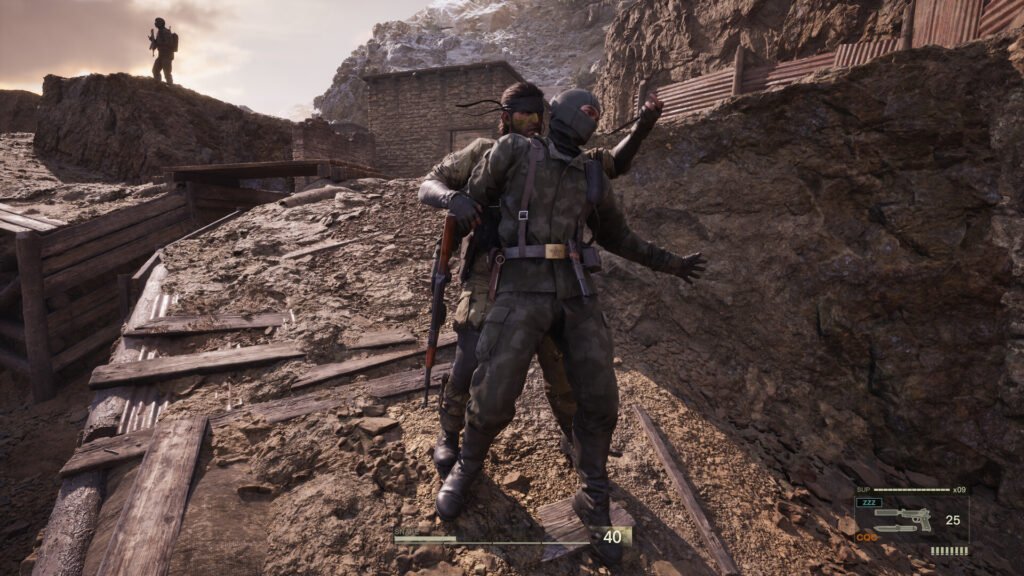
That being said, this twenty-year old game does show its age in other ways. Even with the option to choose Modern controls at the start of the game, there’s an animation delay on most actions that gets frustrating after awhile. Be prepared to be annoyed going into the tougher sections late-game, and don’t be afraid to look at the Tips menu for guidance. Not all the boss fights are intuitively designed, so pausing to read the Tips can go a long way.
While we’re on the note of technical design, there were reports of performance issues on the PlayStation 5 Pro, although my playthrough of the digital version on base PlayStation 5 was thankfully problem-free. Still, I would recommend reading up on technical requirements before you commit to buying the game on any platform.
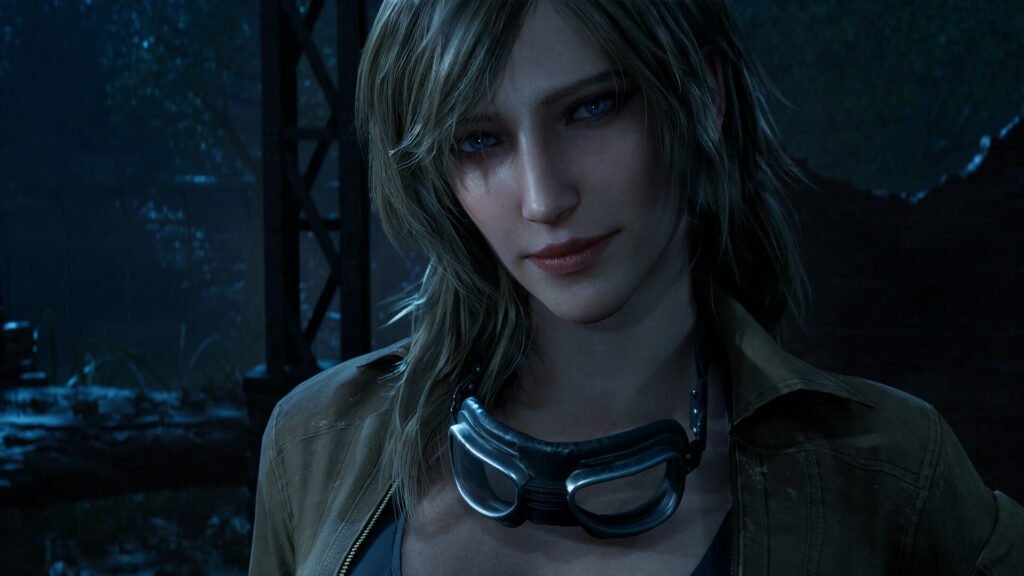
Despite some negligible technical flaws, Metal Gear Solid Δ: Snake Eater was a fun time. While I can’t say for myself whether the original or the remake is a better place to start, the remake does satisfy the need for modern-day graphics while keeping the gameplay and spirit of the original iteration intact as much as possible. And if you come away from it with a new love for the franchise, might I recommend Metal Gear Solid V: The Phantom Pain?
Verdict: A Good Place To Begin
We get it, the Metal Gear games are an acquired taste. The franchise is almost as embroiled in its own meta-commentary as it is drowning in its own memes, and that can be intimidating to newbies. That’s what makes Metal Gear Solid Δ: Snake Eater a great place to begin. The remake satisfies the need for modern-day graphics while keeping the gameplay and spirit of the original iteration intact as much as possible. While there are some negligible technical issues, it is worth persisting to experience Kojima’s vision all the way through.