

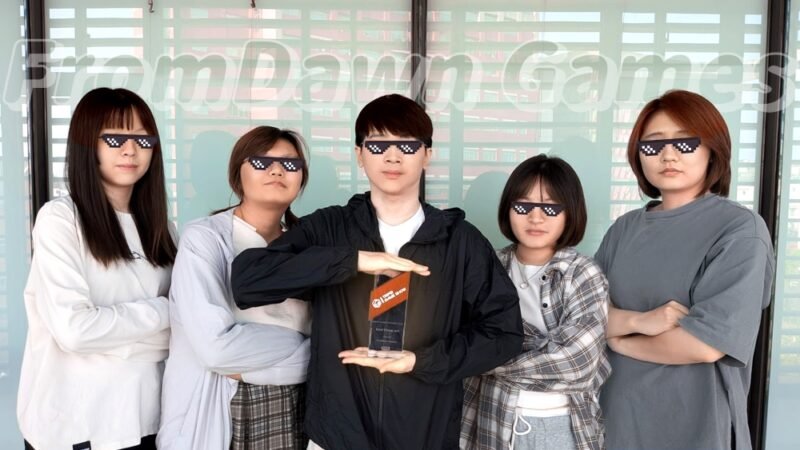
Taiwanese indie game studio FromDawn Games recently received the Best Visual Art for Aeruta at Indie Game Award 2026, organized by Taipei Game Show. With its warm, comforting atmosphere and highly recognizable visual style, the title captured the attention of both judges and gamers. Originally developed as a student graduation project, the game has grown into a fully released title after nearly five years of development.
Team members shared that throughout the process they gradually built a dedicated community of gamers. They were particularly moved to see more overseas players joining discussions in their Discord community. Even though Mandarin is not their native language, many still make the effort to participate and share their thoughts about the game. The encouragement from gamers has deeply touched the team. Winning this award has also given them renewed motivation, and they emphasized that additional plans for Aeruta are currently in preparation, asking fans to stay tuned.
Bringing the Worlds They Love Into a Game: Aeruta Reflects the Team’s Creative Journey
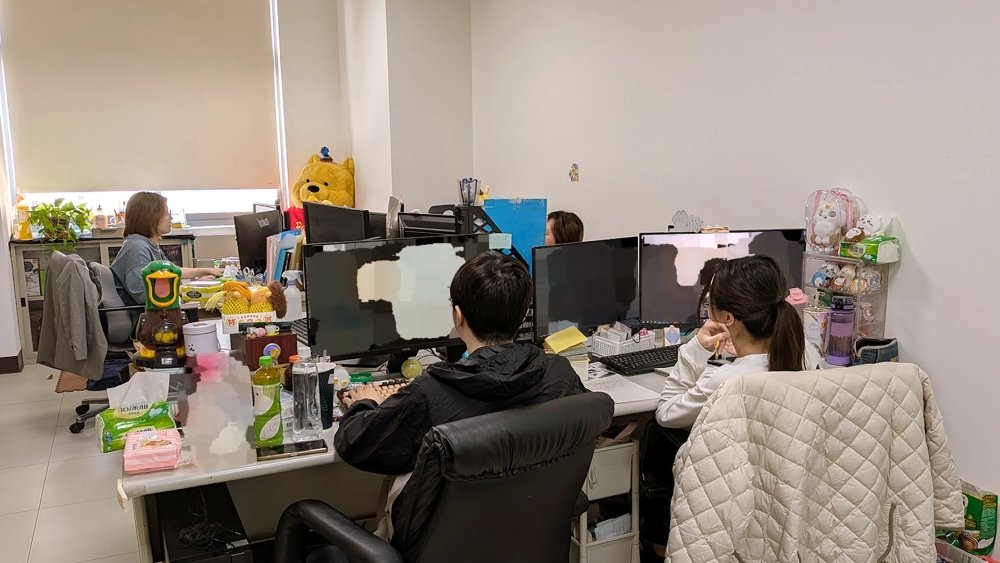
“Everything turned out like a brownie—an unexpected but beautiful mistake. Choosing a direction that everyone is genuinely interested in gives the team the inner motivation to finish development,” said team member Angela.
Angela joined the team even before FromDawn Games was formally established. While her official role is planning, she joked that in reality she handles “a bit of everything.” The studio currently consists of five members.
Originally, Aeruta was designed as a Metroidvania-style game with a darker tone. However, during development the team’s diverse backgrounds gradually introduced new elements. Lead artist Tala explained that the world of Aeruta reflects the interests the team members held at different stages of their lives. For example, Angela enjoys anime centered around cooking, while another artist is a devoted fan of anthropomorphic animal characters. These personal preferences were gradually woven into the game.
Because the ideas stemmed from the team’s everyday experiences, the game naturally incorporates subtle elements of Taiwanese culture. For instance, the soft, sweet-and-savory bread featured in the game may appear closer to cake from a Western perspective. This cultural difference has become part of the game’s unique charm.
The team also spent considerable time balancing the game’s two core systems—combat and shop management. They adjusted both gameplay pacing and scheduling mechanics to ensure neither side overwhelmed the other. Through a calendar-based system, gamers can plan weekly activities without needing to micromanage every single day. Although this design decision emerged somewhat accidentally, it ended up attracting a broader range of players.
From Graduation Project to Award-Winning Title: Unique Way of Relieving Pressure by Revisiting Early Prototypes
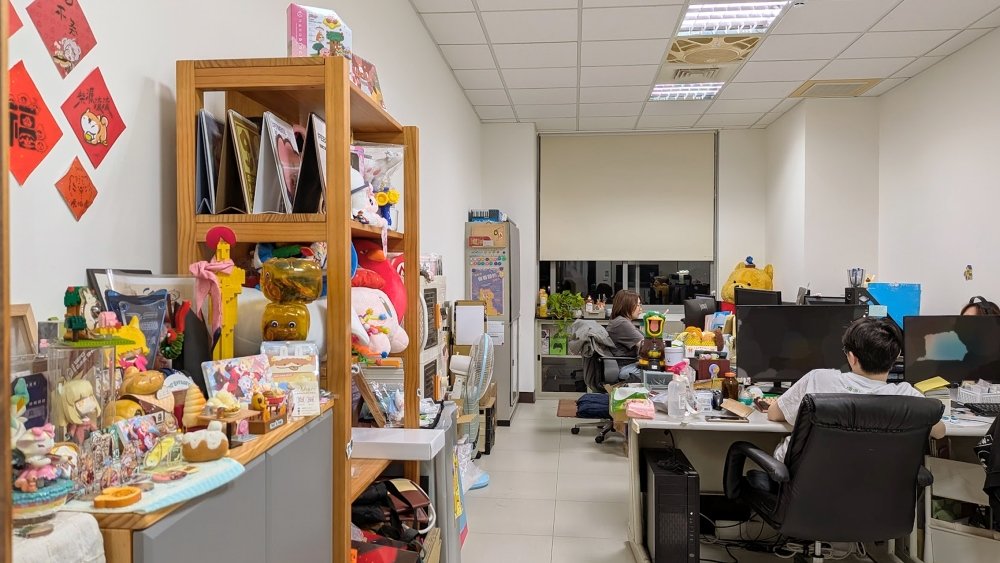
Reflecting on the five-year journey from a university graduation project to founding an indie studio, Angela joked, “It felt like a group of kids with no exercise habits trying to climb Taipei 101.”
In the early days, the team only earned around NT$7,000–8,000 per month. After paying rent, little remained. The members would even jokingly pretend everything was fine while discussing “which patch of dirt nearby might taste better.” Despite these hardships, the team maintained an optimistic attitude. To save money, they also began cooking their own lunchboxes, which unexpectedly led them to adopt a healthier lifestyle.
Tala recalled that when they attend offline events and exhibitions, gamers often tell them, “I’ve been following your project since your student days!” While such comments are deeply touching, they also bring a sense of embarrassment when remembering how rough the early versions of the game looked.
Angela added that whenever the team feels stressed, she pulls out old backup files from their student days and makes everyone revisit those early builds. “It’s strangely effective for relieving stress,” she laughed.
Tala expressed hope that the version gamers remember will be the final, complete version of Aeruta, and that fans will continue to follow the team’s growth in the future.
The team admitted that they had quietly followed the Indie Game Award for years but often felt their game was not polished enough to compete. This time, they submitted their work simply to give it a try—and were surprised to win Best Visual Art.
Whether physically or symbolically, the trophy carries significant weight for the team. They are already working intensively on new plans related to Aeruta.
For the full video interview, visit the Taipei Game Show official YouTube channel, and stay updated on Aeruta’s latest developments by following their official website.