
Monster Hunter Stories 3: Twisted Reflection, the latest instalment in the Monster Hunter Stories franchise, is set to release on console and PC this March 13. Unlike the mainline Monster Hunter series, Stories allows players to take on the role of a Rider instead of a Hunter, where you’ll raise and bond with various monsters while exploring a world full of danger, mystery, and wonder.
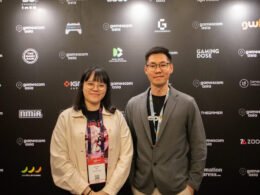
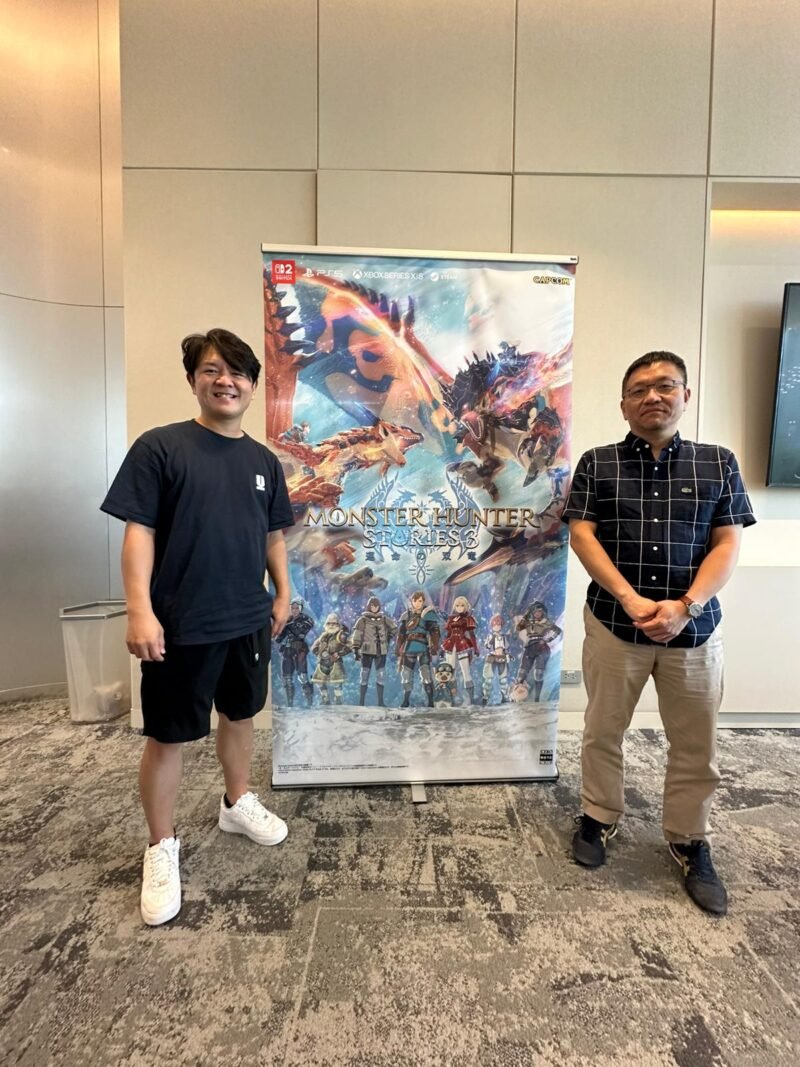
We had the opportunity to speak to the game’s executive producer, Ryozo Tsujimoto, and art director Takahiro Kawano to learn more about the game, and how it will differ from its many predecessors.
This interview has been paraphrased for ease of reading.
Gauge for Hunters is a great and challenging idea that gives players more move options. How did the team come up with this idea and incorporate it into the game?
To be honest, we wanted to put the gauge in the first Monster Hunter Stories. But for the first game, the audience mainly consisted of the younger generation. By putting in the gauge, we feared it would make things too complicated. This time, we are aiming for more grown-ups, or rather the people who used to play these games have all grown up. So now we wanted to make it more strategic.
Meaning, from now on, when you fight, you have to think more about the strategy you’re going to use. It’s not just about making it complicated, but more strategic. Plus, after you beat this game, you will feel more satisfied.
Rathalos has been the main monster for both Monster Hunter Stories 1 and 2, and now 3. Have you considered making any other monster the main monster?
To be honest, at 2, there was a thought, like, “Should we maybe get other monsters?” There are so many monsters in the series, and they’re pretty popular as well. Also, the thought of maybe creating a brand-new monster that never existed before came into our minds. But then at 2, we already thought, “You know what? It must be him.”
So this time, it’s still going to be him. But after this, who knows? If the series becomes popular, and we get a sequel, the potential is there. But right now, it’s him. You might be thinking, “Him again?“, but trust me, this time, the scenario and the storytelling is very interesting, to the point you might forget that he is under the spotlight and center stage.
In Monster Hunter Stories 3, are there any new stories, themes, or ideas that you haven’t used in your previous works?
After thinking about it, in 1 and 2, a lot of it took place from the point of view of the riders. This time, we wanted more of the stories, more of what’s going on, and more storytelling about the riders. This third game will tell a deeper story.
The Monster Hunter series features a detailed expression of nature, as seen in the flora and fauna. Should we expect the same rich environment in this series?
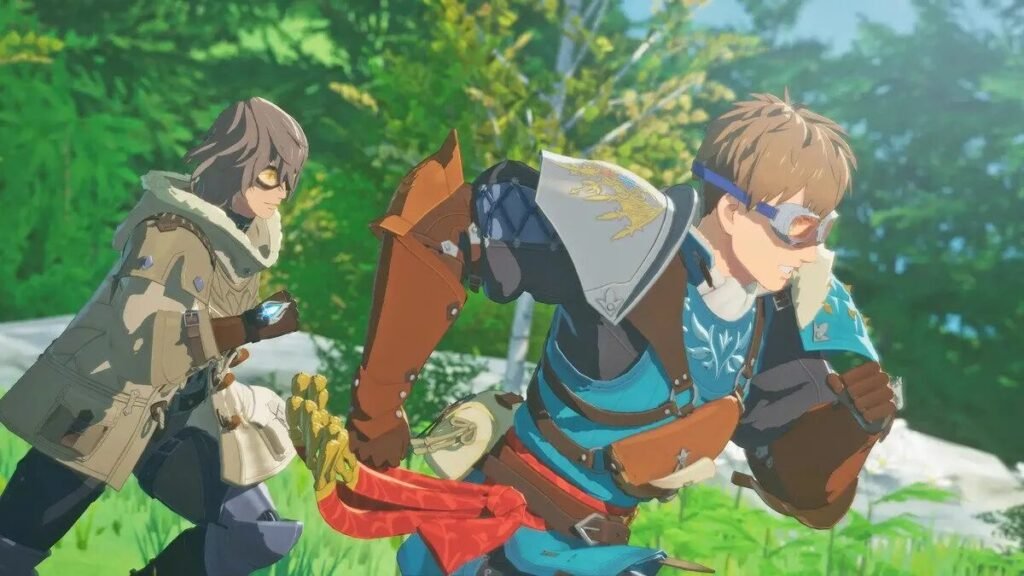
For the first two games, we really focused on action. If you compare 1 and 2, it’s probably like shonen manga. A lot of fighting, a lot of action, and all that. For this one, the third one, we would like to make it not just a shonen manga, but more like a movie. We wanted to make the storytelling, the animation, everything, just a bit more epic, so even in terms of the animation style, you can could expect something little bit more epic.
What was the inspiration behind the key art, and is it purposely designed to reflect a more mature audience?
So, this might overlap with the previous answer. Yes, it is intended to be more mature – not sure if that’s the right word, but perhaps more epic, more like the previous comparison to a movie. So, yes, I thought a lot about how to make it more epic and more entertaining to watch for adults as well.
What are the core principles that the team focused on when creating a JRPG that feels true to the genre while still maintaining the unique identity of the Monster Hunter series?
To be honest, if you hear the word Capcom, you probably don’t associate the company with the word JRPG to begin with, although we have made similar titles like Breath of Fire, if you’re familiar with that. But since making 1 and 2, we have been thinking about that. We wanted to make sure we keep that vibe alive. So we tried our best on the third one to incorporate that word as much as possible.
But at the same time, when we create a Monster Hunter game, the highlight is always on the monster. The thought process behind this Monster Hunter series is that we’re obsessed with the monsters. We want to know their physique, we want to understand them, we want to know how they think and all that. All these thoughts about monsters are still there. So, this part will still be strengthened and highlighted throughout.

If a player is a fan of the main series and will be experiencing Stories for the first time, how would you recommend they approach and understand this game?
As mentioned, it’s more of a JRPG, so we’re going to highlight the RPG elements through the storytelling. I mean, of course there’s going to be action, but it’s going to be more like field action. You get to explore, you get to travel, you go places, you get to see things, you get to see more of the world, and there are more athletic aspects that have been added, like movement that allows you to explore the world more.
In this game, the Hunters and the monsters have formed an alliance, so the battles will be a little different. You will need to consider how you come in, and how to get the best out of the monsters. Understanding each monster, knowing their weak point, and then knowing how to strategise attacks, is probably one of the main things we want the player to have fun with while playing the game.
What are some of the differences between the content and gameplay style in Stories compared to other Monster Hunter titles, and how did you come up with those ideas?
The reason why we started Monster Hunter Stories is because I’ve always wanted to make a Monster Hunter game. It took me about 6 or 7 years to decide what kind of game I wanted to make, mostly because I had a hard time finding the right members for this genre.
As I mentioned earlier, in Monster Hunter, the monsters have a lot of character and are very popular. However, when you switch to the action mode, the monster elements tend to be lighter. I wanted people to feel closer to the monsters and play with them, even if they’re not good at action games. To be honest, this is literally the type of game I’ve always wanted to create. Hunting monsters, going through the world.
We all know that Rathalos is one of the key monsters in this franchise. How do you create a story in a world where Rathalos does not exist anymore?
This time, there is a sort of crystallization or fossilization incident happening. There are also two kingdoms existing in here. Upon the situation of this crystallization or fossilization, there’s going to be a difference in ideas and thoughts about these things. So there’s going to be a lot of controversies between these two countries, and by understanding the differences and by trying to understand the situation, the story slowly unfolds. I won’t be able to say more than this because you have to play to understand this.
But I think, more importantly, the reason we wanted this crystallization or fossilization to happen is because we wanted to highlight on the monster as well as what’s happening to them as time passes. So that’s the reason we decided to create this situation, as the main theme is the contradiction between two sides.
What new systems or quality of life features did the team prioritize working on based on your feedback from the previous entries?
The feedback we got was that the battle scenes were slow, and we’ve heard that some people have actually sped it up twice or thrice. So this time we have made the battle faster, so you can just play as it is and feel that it flows smoothly.
Another point is in the field, when you’re running and roaming around, the movement used to be very simple, just running on the flat land and maybe jumping a little bit. But now you can climb walls, fly, or swim. There’s much more action possible. Additionally, changing monsters can be done in real time now.
The character design for this work is more mature than in previous works. Are there any changes that you made to the character models?
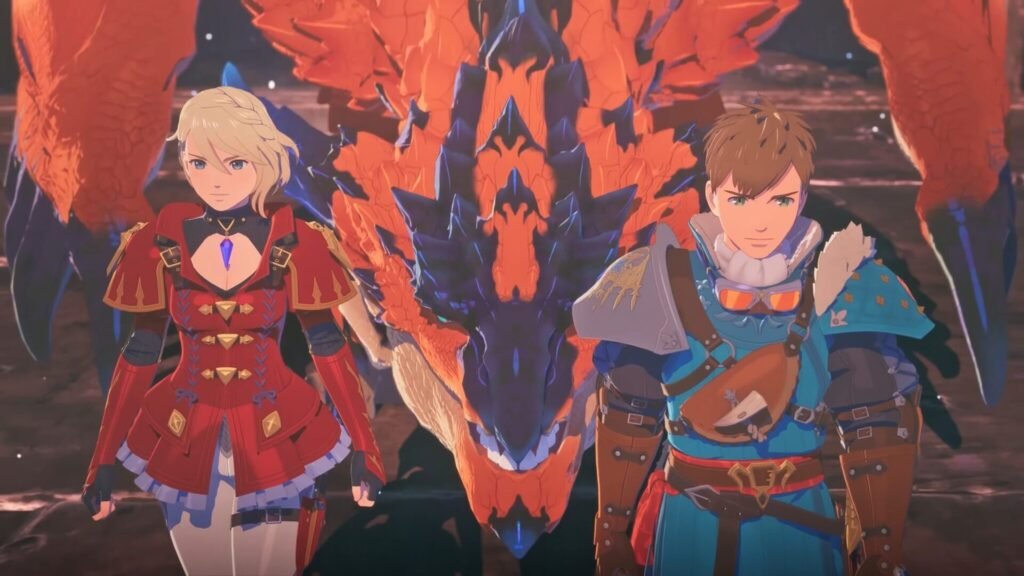
The character models have gotten a little taller, so their look has also differed. But, more importantly, there’s going to be a lot of characters in this game, so we wanted to make sure everyone has a distinctive character, and that you can tell the difference through their looks, what they wear, and their personality. Right now, we haven’t really gone deep into the characters, but when you actually play the game, you’ll see a lot from them. I’d like people to look forward to that as well.
This time, Navirou is absent. Should players expect Rudy to take on a mascot-like role, or will the player character serve as the emotional anchor for the story?
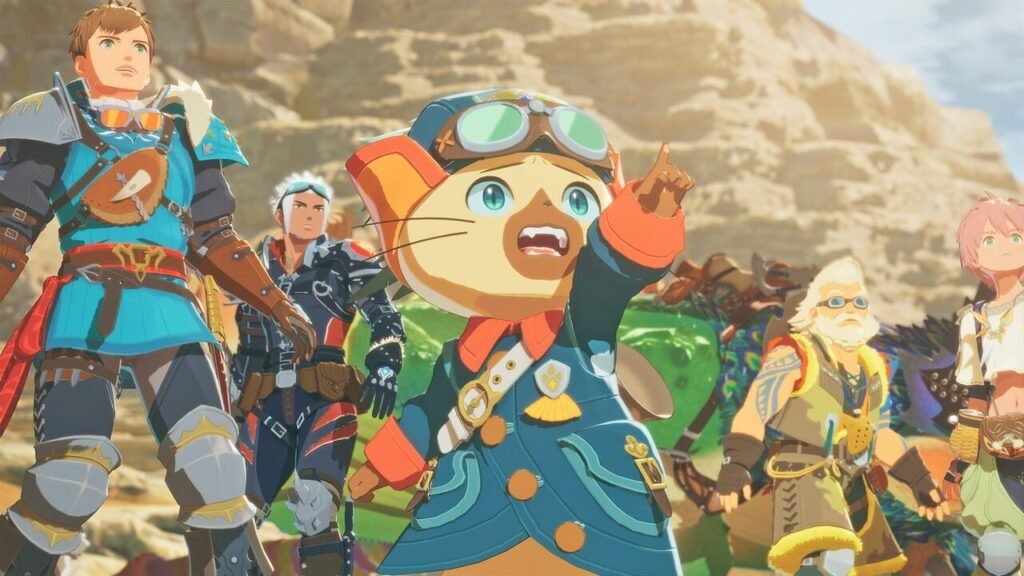
If you’ve played 1 and 2, you’ll know that the main character doesnt talk, which means it’s really hard to understand what’s going on in his head and for him to communicate what’s going on. So Navirou was kind of like a translator for him, letting us as the player understand what’s going on in the war and all that. But this time, the main character speaks, so we decided to create Rudy to be more like a partner, a supportive character, rather than a translator.
Also, in 1 and 2, the main character was a beginner who needed someone to guide him, but in the third one, he is a professional. He is all grown up, and he’s supposed to be fully professional at what he does from the start, so there was no need for a guide character.
How did you improve the sense of combat in order to make it enjoyable for fans and newcomers who have never played Stories before?
It might be overwhelming at first, because there’s more gauges, more stuff to think about, and more things to strategize. But we understand there will be new players, so we’ve made sure there’s a proper tutorial and a proper detail to explain how to use each part. And as you play, the experience you gain will make it easier for you to understand the system.
Also, the most important thing is, when we say ‘strategize’, people think, “Do we have to think a lot?” Yeah, there will be a lot of thinking involved, but the fun is that we get to fight the monster in a strategic way. You’ll feel like, “Oh, it’s this monster. What’s my plan for this? What’s my weapon? What’s my angle for this?“That combination creates more a entertaining way of fighting.
And like we said, we have a tutorial that will teach you, so it’s probably gonna be okay for the new players as well. We have also added an option where after the battles, your gauge will fill itself up, meaning you no longer have the stress of “I need to take that, I need to do this“. We wanted you to be stress-free players when we added that.
We’d like to once again thank the Monster Hunter Stories 3 team for sharing their thoughts with us! Check out more about the game and its latest updates via the official Capcom website.