





I’d like to mention that I have always been a fan of the Greek filmmaker Yorgos Lanthimos since I first journeyed into European films. Inspired by the Dogme 95 movement, Lanthimos has manifested his filmmaking career by making his absurd reality questionably normal, where terror is a synthetic construct.
In a nutshell, his films set a tone where absurdity is a norm. The characters don’t question the events, they just do and accept their new reality. Combined with a tense cinematography style and character-driven narrative, the terror that permeates his stories feels synthetic rather than natural. It’s an acquired taste to watch his films; however Bugonia is digestible and will keep you on your toes.
What is Bugonia about?
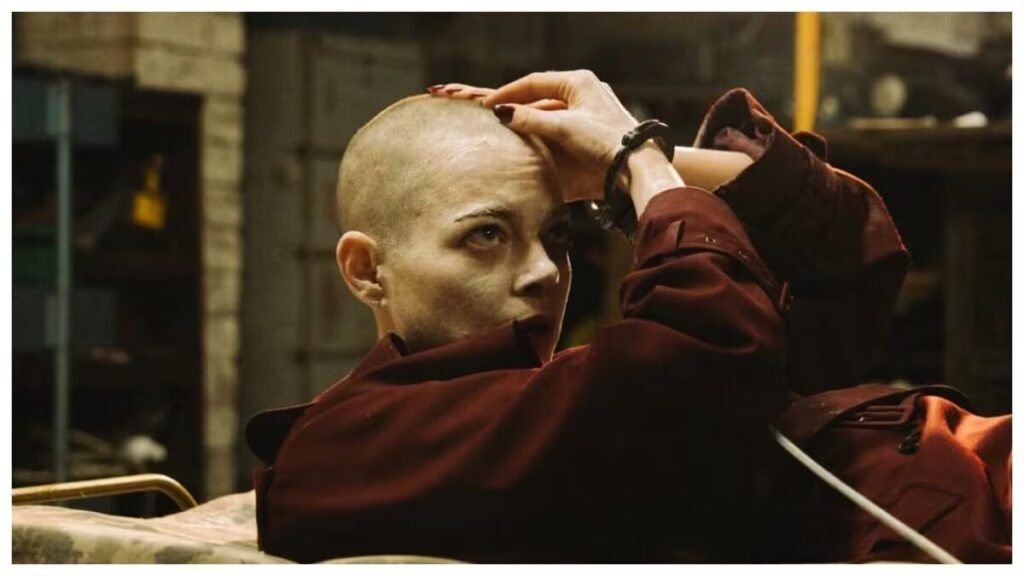
Bugonia is a darkly comedic sci-fi thriller that follows two conspiracy-obsessed young men who kidnap a high-powered CEO, Michelle (Emma Stone). Convinced she is an alien leader from the Andromeda galaxy planning to destroy Earth, they subject her to an intense, often absurd interrogation in a confined basement. The film explores the thin, terrifying line between genuine corporate malpractice and total psychological delusion.
In his previous works like The Lobster (2015), Lanthimos creates “bizarre realities” where the world itself follows surreal, rigid rules that characters accept as normal. Bugonia flips this: the world is our recognizable, “normal” reality, but the characters within it are the source of the bizarre. The film uses a standard setting to satirize contemporary issues, making the protagonists’ radicalism feel uncomfortably close to home compared to his more fantastical films.
Before I express my personal take on Bugonia, I would like to discuss and break down the film’s themes in three parts:
Theme 1: Satirical Take on Humanity’s Self-Destruction
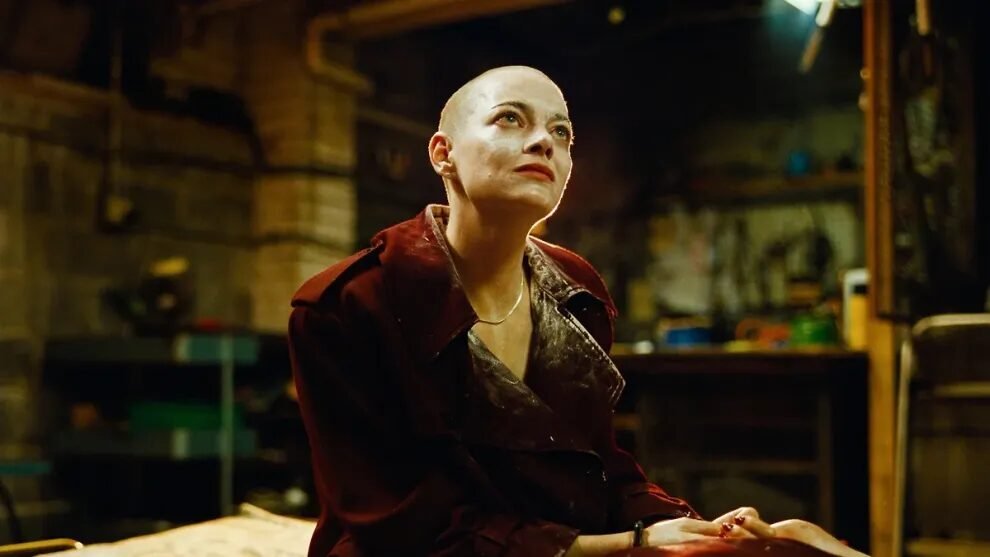
Bugonia might sound like an original concept, but it is not. In fact, it is a remake of the 2003 South Korean cult classic Save the Green Planet!. The plot remains largely the same—a traumatized man kidnaps a CEO that he believes is an alien—but Lanthimos infuses it with his signature clinical, satirical style.
Produced under Ari Aster’s Square Peg banner (known for Hereditary (2018)), the film updates Save the Green Planet!’s 2003 setting to reflect the social and political chaos of the 2020s. It tackles modern anxieties: environmental collapse, the “perma-crisis” of trust in institutions, the inhumanity of corporate control, and the rise of isolation-driven conspiracy theories. Screenwriter Will Tracy (known for The Menu (2022)) noted that the script was born from a feeling of alienation from modern democracy and a general inability to trust “official stories”.
I do want to point out a comedic scene where as the act progresses, the lunar cycle interludes visualise a Planet Earth that progressively becomes flatter in each segment. Given Lanthimos’ filmography style, I believe it’s a satirical take on the flat-earth society that believes in this conspiracy.
Theme 2: Radical Adversaries
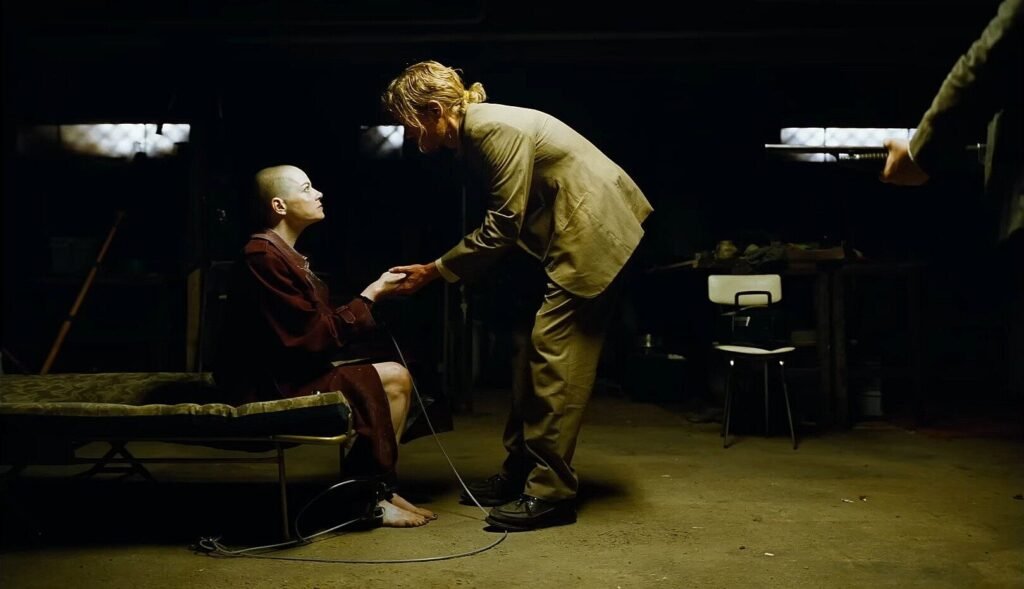
The film’s tension is driven by the contrast between two socioeconomic extremes. Michelle represents the “illusion of humanity” in corporate leadership, speaking in corporate lingo and HR-approved buzzwords to mask her cold, manipulative intentions. Meanwhile, her kidnapper Teddy (Jesse Plemons) represents the disenfranchised “raw nerve” of society. Having been crushed by the system, his vindictive nature and obsession with conspiracies are a direct result of his personal trauma.
Teddy’s mother, Sandy, is the bridge between the two. Her coma, caused by a failed pharmaceutical trial by Michelle’s company, fueled Teddy’s radicalization. Her character represents the victims of corporate greed and mental illness who have been “left behind”.
Lanthimos uses black-and-white flashbacks to represent Teddy’s darkest memories. These scenes are colorless and surreal, featuring massive needles and floating bodies, to symbolize his trauma and personal hell that distorted his view of reality. The film also uses a unique 1.5:1 aspect ratio and low-angle camera work to give the characters a towering, Shakespearean presence, even in the cramped basement. It’s a signature of Lanthimos’ filmmaking style with a theatre background that enhances the narrative and expression of the characters’ dynamics and hierarchy.
Theme 3: Inevitable Rebirth
SPOILER ALERT: The following section discusses the film’s ending and major twists.
The title Bugonia comes from the ancient Greek belief that bees were born out of the carcasses of dead oxen. This symbolizes rebirth from death—the idea that a new, organized lifeform can only emerge once the old, decaying body (humanity) is gone.
Bees are a central motif of the film. They represent both the destruction of nature caused by corporate pollution and the “working class” hive that corporations like Michelle’s disregard. Teddy’s obsession with “saving the bees” is a metaphor for his attempt to save his own kind from extinction.

Don, Teddy’s cousin and accomplice, is a silent, often ignored character who acts as the voice of humanity. Unlike Teddy’s radicalism or Michelle’s coldness, Don shows genuine compassion, such as pulling the plug on an electric chair. His eventual death signals that “humanity” can no longer sustain itself in this polarized environment.
In the final act, it is revealed that Teddy was right: Michelle is an alien from the Andromeda galaxy. She explains that her race created humans but deemed them “unworthy” due to their selfishness. The “corporate trials” were actually failed attempts to help humans evolve into a more compassionate species.
The film ends with the Andromedans deciding to wipe out humanity. A symbolic bubble around an Earth model pops, representing the destruction of the ozone layer. Every human on Earth drops dead, while the bees—the “worthy” members of the hive—live on to start a new cycle.
The credits roll to Marlene Dietrich’s cover of “Where Have All the Flowers Gone”. The lyrics perfectly mirror the film’s theme of the cyclical nature of life, death, and the tragic inability of humanity to “ever learn” from its past mistakes.
Conclusion
I would consider Bugonia to be a faithful adaptation of Save The Green Planet! with Yargos Lanthimos’ signature style, while also still keeping the original’s dark humour. From the soundtrack to cinematography, the film delivers great suspense and tension that keeps the audience thinking and seeking for the truth all the way to the end.
The visuals were remarkable and spectacular to watch, with its surrealist sequences and vibrant practical effects being a sight to behold. Although it isn’t as absurd as Lanthimos’ other films, he still retains his charm and humour in this piece. I would encourage beginners who want to explore Yargos Lanthimos’ filmography to start with Bugonia.
RATING: 8.4/10
Bugonia is now screening at selected GSC Cinemas outlets nationwide. Click here for more information.
This article was contributed by Qayyim.